Fetches data by automatically calculated MusicBrainz Disc ID, existing Artist/Album or MusicBrainz Album ID tags;
Uses the latest version of MusicBrainz web service, which corresponds to the NGS data model;
Supports many different tags, including artist, album, date, track number / total tracks, disc number / total discs, label, catalog number, barcode etc.;
Supports MusicBrainz-specific tags: Artist ID, Album ID, Release Group ID, Disc ID, Track ID, album type, album status;
Missing TOCs can be submitted to MusicBrainz from the context menu.
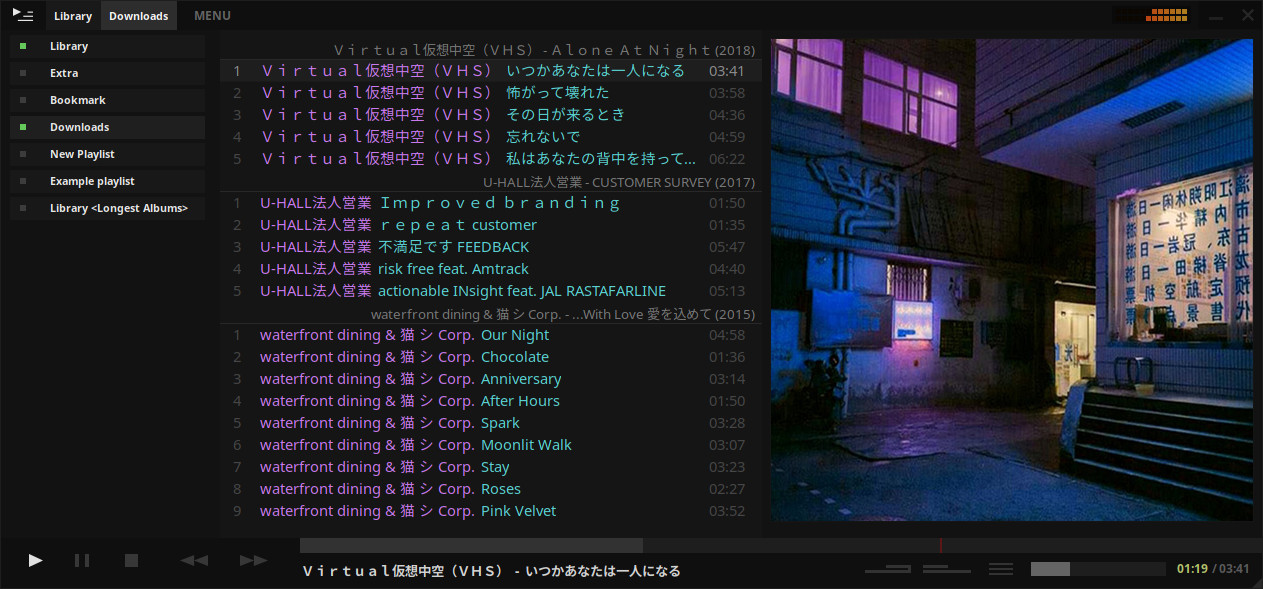
AIMP is a powerful free audio player for Windows OS that supports for local files, NAS, clouds and podcasts. Additionally, it includes powerful tools to operate with audio files.
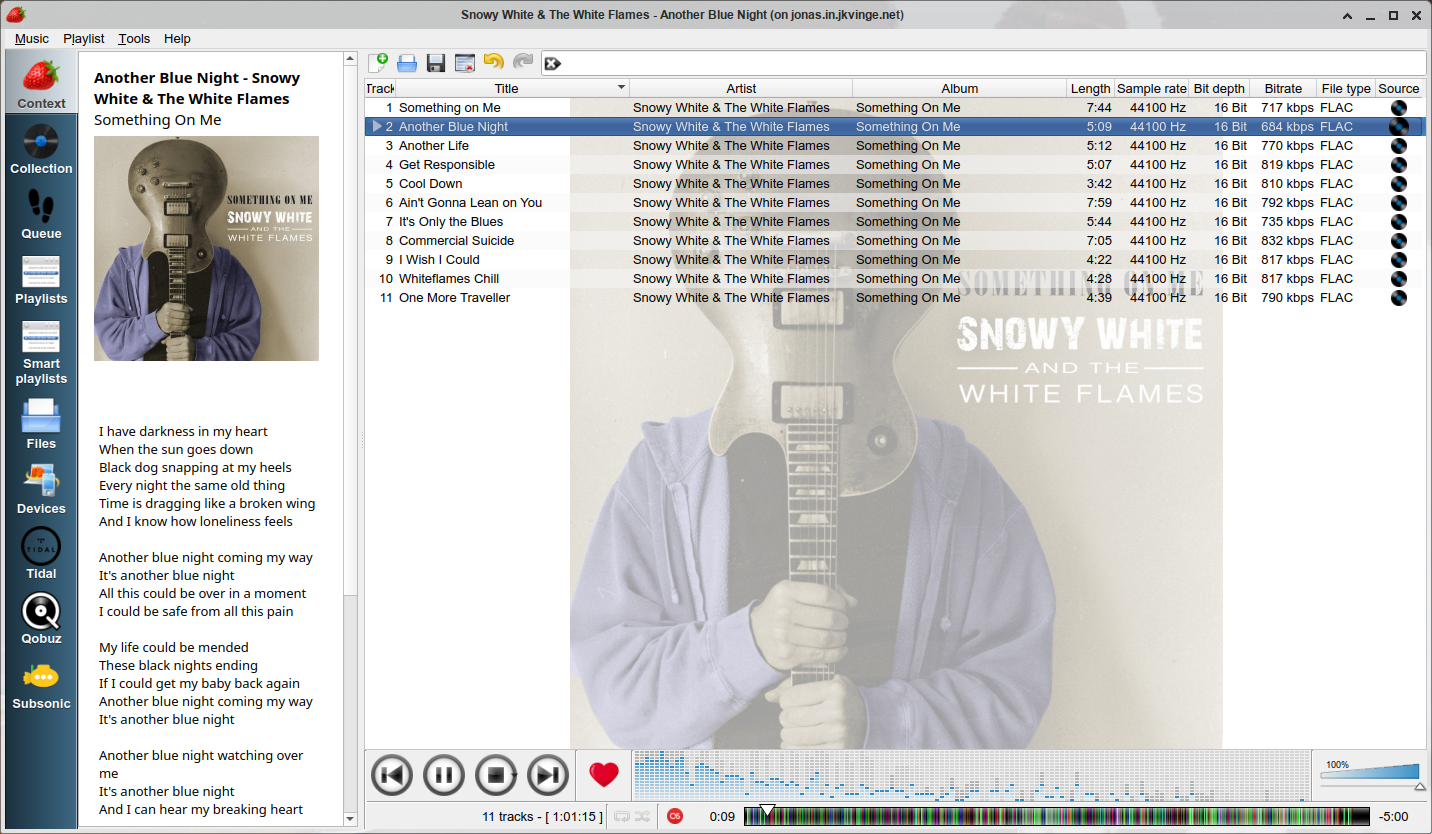
Strawberry is a music player and music collection organizer. It is a fork of Clementine released in 2018 aimed at music collectors, enthusiasts and audiophiles. The name is inspired by the band Strawbs. It’s based on a heavily modified version of Clementine created in 2012 and 2013. Strawberry is written in C++ and Qt 5.
puddletag is an audio tag editor (primarily created) for GNU/Linux similar to the Windows program, Mp3tag. Unlike most taggers for GNU/Linux, it uses a spreadsheet-like layout so that all the tags you want to edit by hand are visible and easily editable.
The usual tag editor features are supported like extracting tag information from filenames, renaming files based on their tags by using patterns and basic tag editing.
Then there are Functions, which can do things like replace text, trim it, do case conversions, etc. Actions can automate repetitive tasks. Doing web lookups using Amazon (including cover art), Discogs (does cover art too!), FreeDB and MusicBrainz is also supported. There’s quite a bit more, but I’ve reached my comma quota.
puddletag is an audio tag editor (primarily created) for GNU/Linux similar to the Windows program, Mp3tag. Unlike most taggers for GNU/Linux, it uses a spreadsheet-like layout so that all the tags you want to edit by hand are visible and easily editable.
The usual tag editor features are supported like extracting tag information from filenames, renaming files based on their tags by using patterns and basic tag editing.
Then there are Functions, which can do things like replace text, trim it, do case conversions, etc. Actions can automate repetitive tasks. Doing web lookups using Amazon (including cover art), Discogs (does cover art too!), FreeDB and MusicBrainz is also supported. There’s quite a bit more, but I’ve reached my comma quota.
A music player for the desktop. Designed to be powerful, simple and streamlined, putting the user in control of their music collection. Uses the proprietary BASS audio library for playback.
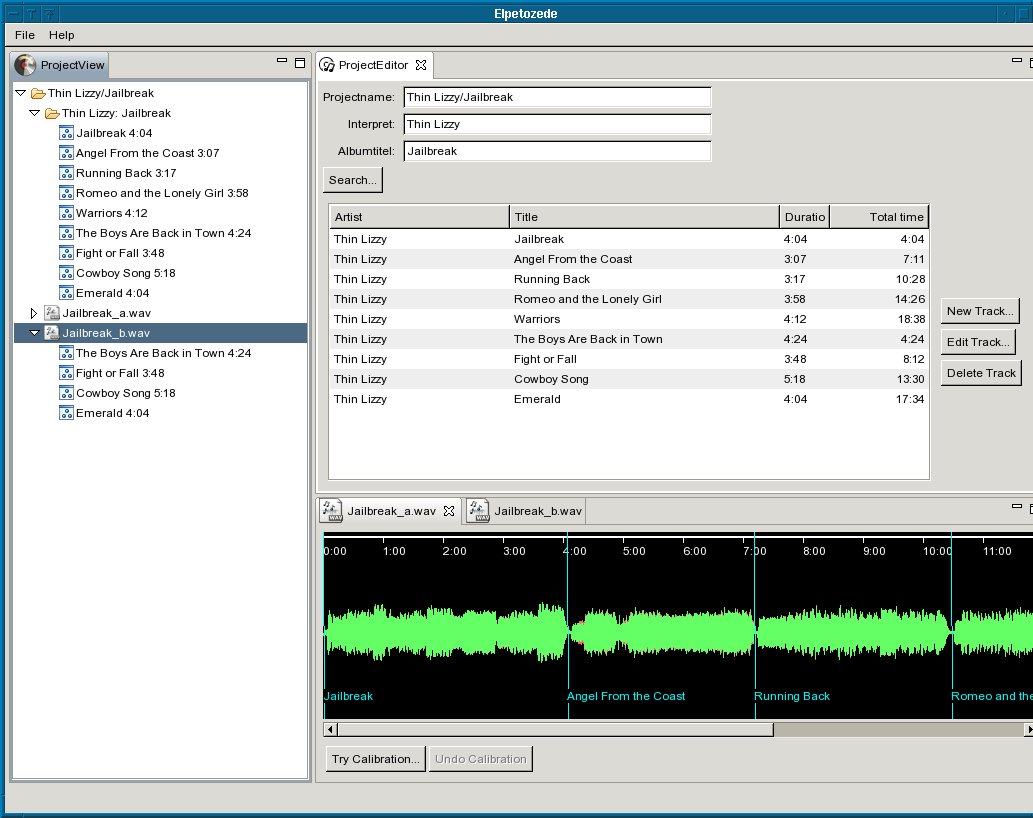
Elpetozede is a multi-platform, open source tool to split a wave file (.wav), which contains the complete audio recording of one side of a vinyl record or a cassette tape into single wav files, one for each track. It searches an Internet database (musicbrainz.org) for the album data, so, with a little luck, you won’t need to type all the track information by hand.
This plugin verifies your rips against CTDB database, and submits new CDs to it.
It can also serve as a metadata plugin, providing access to MusicBrainz, Discogs and FreeDB metadata via CTDB. CTDB replicates Musicbrainz database hourly, Discogs and FreeDB – monthly. In addition to direct discid search, it supports the same fuzzy search algorithm as Musicbrainz, and also uses it for Discogs and FreeDB data, increasing the chance that correct metadata will be found.
Kid3 audio tag editor can edit the tags of MP3, Ogg, FLAC, MPC & WMA files in an efficient way, convert between ID3v1 and ID3v2, set the tags of multiple files, generate tags from file names or vice versa and import from freedb, MusicBrainz and Discogs.
Features
Edit and convert between ID3v1.1, ID3v2.3 and ID3v2.4 tags of MP3 files
Clementine is a multi-platform music player. It’s inspired by Amarok 1.4, focusing on a fast and easy-to-use interface for searching and playing your music.
The ListenBrainz project is similar to the original AudioScrobbler®. Unlike the original project, ListenBrainz is open source and will publish its data as open data.
A team of former Last.fm and current MusicBrainz hackers created the first version of ListenBrainz in the space of a weekend. Since the original project was created, technology has advanced at an incredibly rapid pace, which made re-creating the original project fairly straightforward.