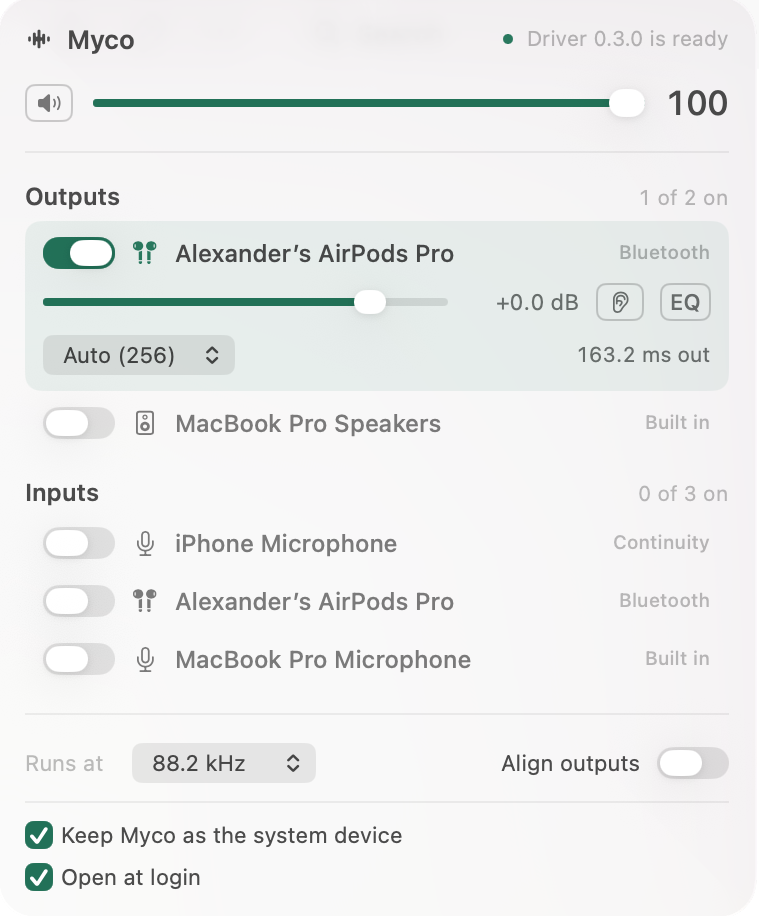
Lightweight, ergonomic multi-output audio device for macOS.

3D sound for every app on your Linux desktop. Looking for Boom 3D on Linux? Spatial Linux is a free, open-source alternative. It adds a virtual output device to PipeWire and processes everything you play through it: 3D surround for headphones, a room around the music, clarity, bass and a night mode, plus a 10-band equaliser. You can also set each app’s volume separately — game chat quiet, music loud — right from the app. It runs entirely on PipeWire’s built-in filters, so no extra audio plugins are needed.
github.com/Nothingman333/Spatial-Linux

FxSound is a digital audio program built for Windows PC’s. The background processing, built on a high-fidelity audio engine, acts as a sort of digital soundcard for your system. This means that your signals will have the clean passthrough when FxSound is active. There are active effects for shaping and boosting your sound’s volume, timbre, and equalization included on top of this clean processing, allowing you to customize and enhance your sound.
github.com/fxsound2/fxsound-app
github.com/fxsound2/fxsound-driver

A utility to control volume / pan for all audio devices on Windows.
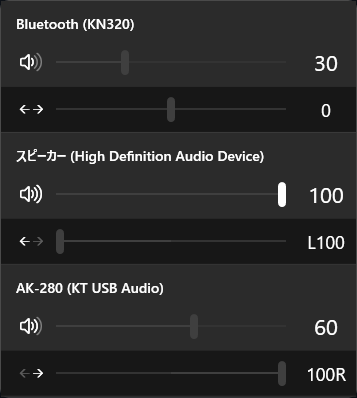
github.com/SatsukiAnakawa/OmniPans

A macOS menu bar utility that plays the same audio through any number of output devices at once.
macOS gives you a volume slider, a device list, and a tiny speaker glyph — and that’s it. You can’t play to two speakers at once, can’t set a different volume per app, can’t EQ one app without touching the rest. Tutti is the control center that fills the gap: one panel for every output, every app, and every level — riding Apple’s own audio frameworks, with nothing installed into your system.

MP3Gain Express is a port of MP3Gain and AACGain to macOS and OSX. It allows you to analyze or apply volume gain to a list of MP3 or AAC files. Anyone who has used the Windows UI for MP3Gain should find this one familiar, as it was designed to look similar to that version.
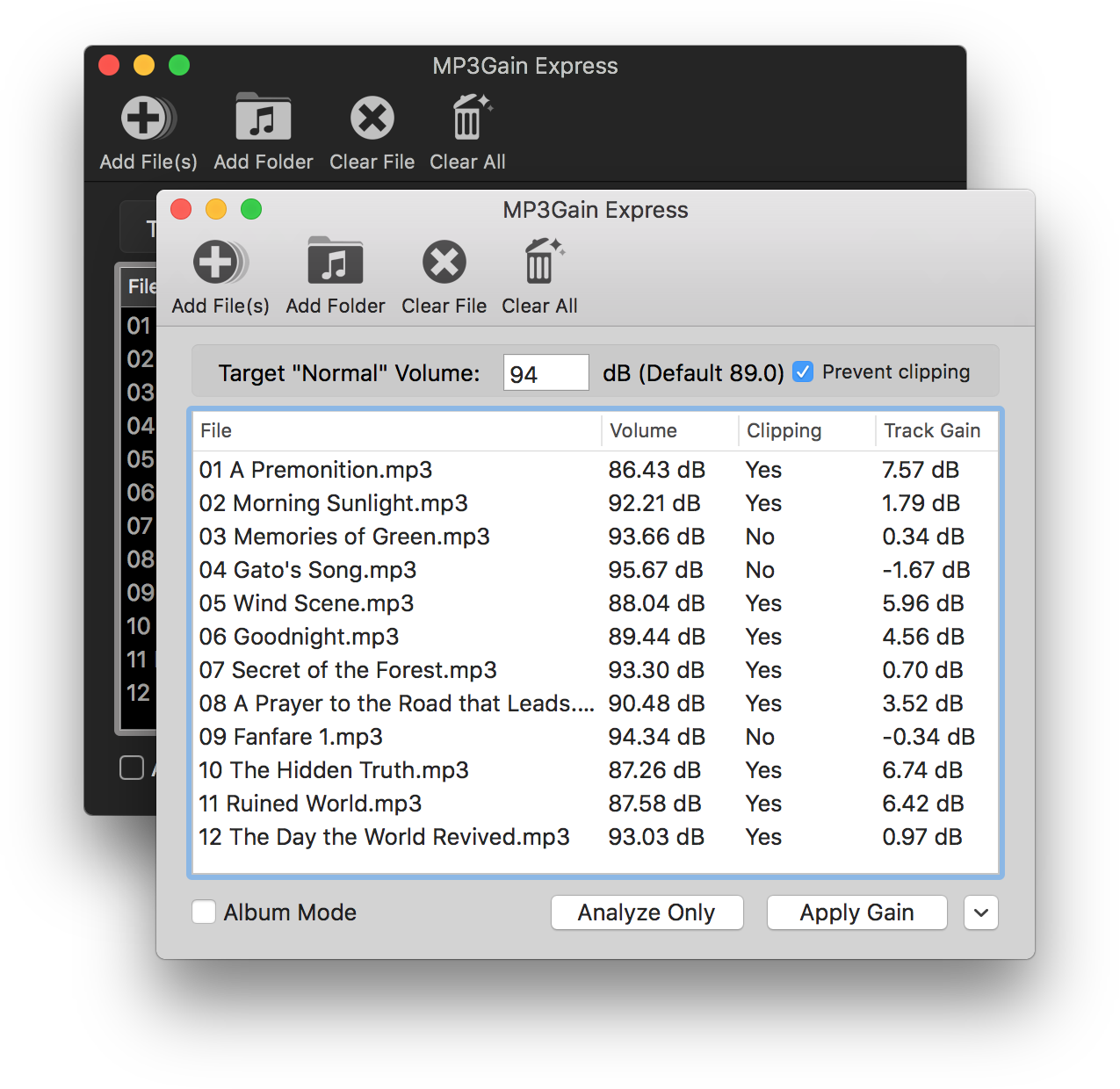
projects.sappharad.com/mp3gain
OSX Version
github.com/Sappharad/mp3gainOSX

Control the volume of every app independently, boost quiet ones up to 4x, route audio to different speakers, and shape your sound with EQ and headphone correction. Lives in your menu bar. Free and open-source.

github.com/ronitsingh10/FineTune

KMix is a sound channel mixer and volume control.
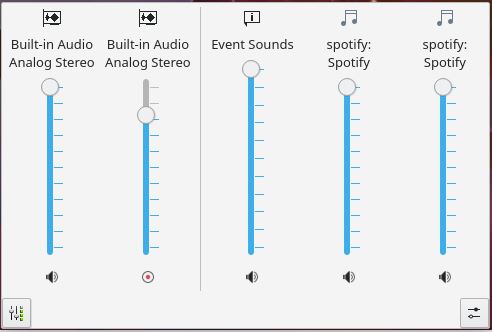
apps.kde.org/kmix
github.com/kde/kmix
invent.kde.org/multimedia/kmix
docs.kde.org/trunk_kf6/en/kmix
userbase.kde.org/KMix

This application aims to provide a Fluent Design System based replacement for the old, built-in, Metro Design based Audio/Airplane mode/Brightness flyouts in Windows which are shown while pressing the media or volume keys or even the brightness keys or when airplane/flight mode is toggled.
In case of Windows 11, this application will have the same UI but will provide additional features and customizability compared to the built-in redesigned flyouts.

github.com/ModernFlyouts-Community/ModernFlyouts
modernflyouts-community.github.io

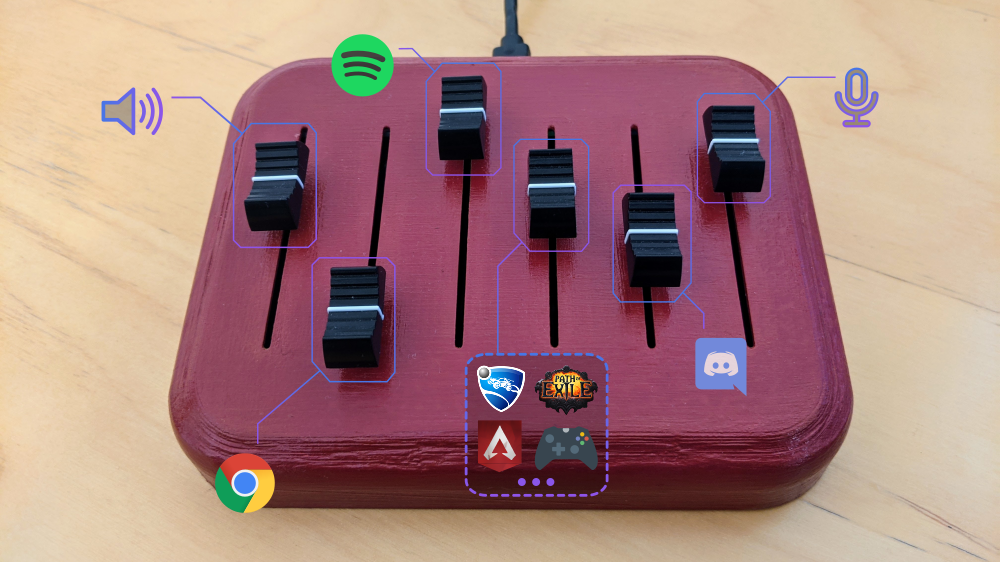
deej is an open-source hardware volume mixer for Windows and Linux PCs. It lets you use real-life sliders (like a DJ!) to seamlessly control the volumes of different apps (such as your music player, the game you’re playing and your voice chat session) without having to stop what you’re doing.

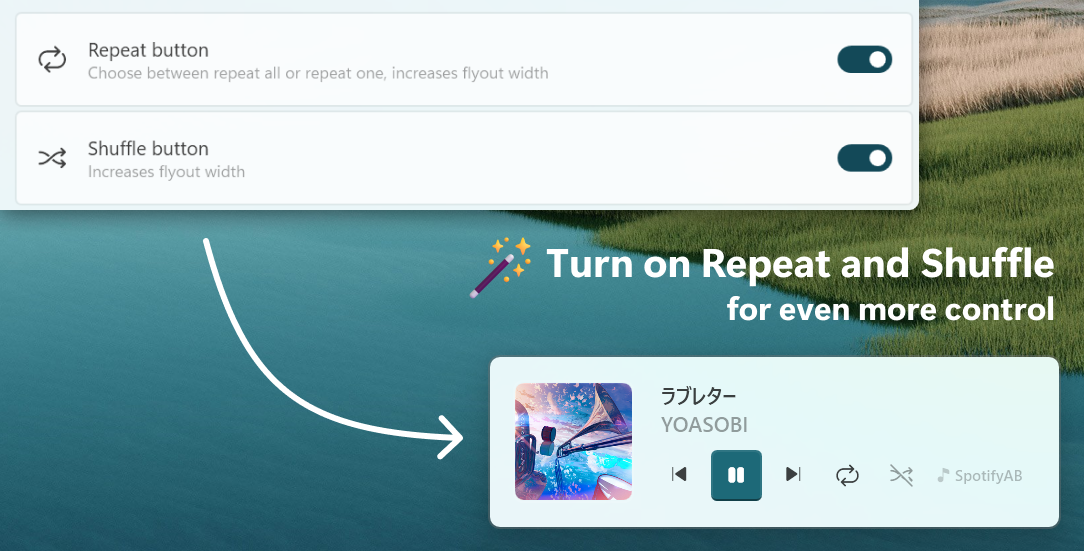
FluentFlyout is a simple and modern audio flyout for Windows, built with Fluent 2 Design principles. The UI seemingly blends in with Windows 10/11, providing you an uninterrupted, clean, and native-like experience when controlling your media.
FluentFlyout features smooth animations, blends with your system’s color themes, includes multiple layout positions and a suite of personalization settings while providing media controls and information in a nice and modern looking popup flyout.
github.com/unchihugo/FluentFlyout

Use this application to sync the volume of several audio playback devices.
sourceforge.net/projects/audiovolumesyncer


