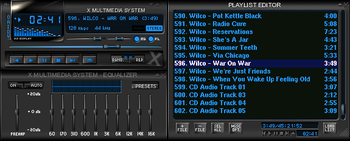
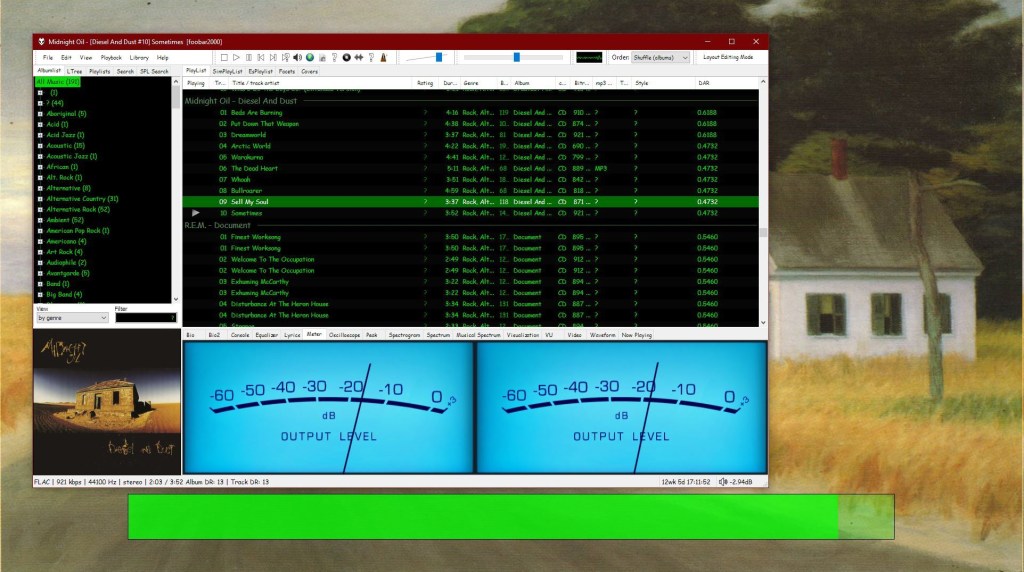
XMMS is a multimedia player for unix systems. XMMS stands for X MultiMedia System and can play media files such as MP3, MOD’s, WAV and others with the use of Input plugins.
XMMS is mainly targeted at music playback, but through third party plugins some rudimentary video capabilities exists, but there are much better systems other than XMMS for video support.
It was modeled after Winamp from the Windows operating system. XMMS is not a port of Winamp but was written from scratch by Mikael and Peter Alm.
IMMS is an intelligent playlist plug-in for XMMS that tracks your listening patterns and dynamically adapts to your taste. It is incredibly unobtrusive and easy to use as it requires no direct user interaction.
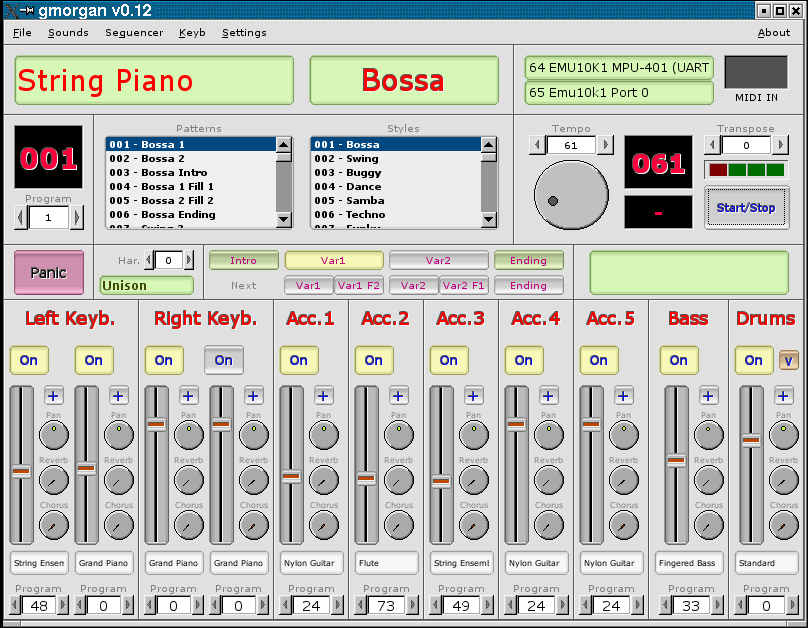
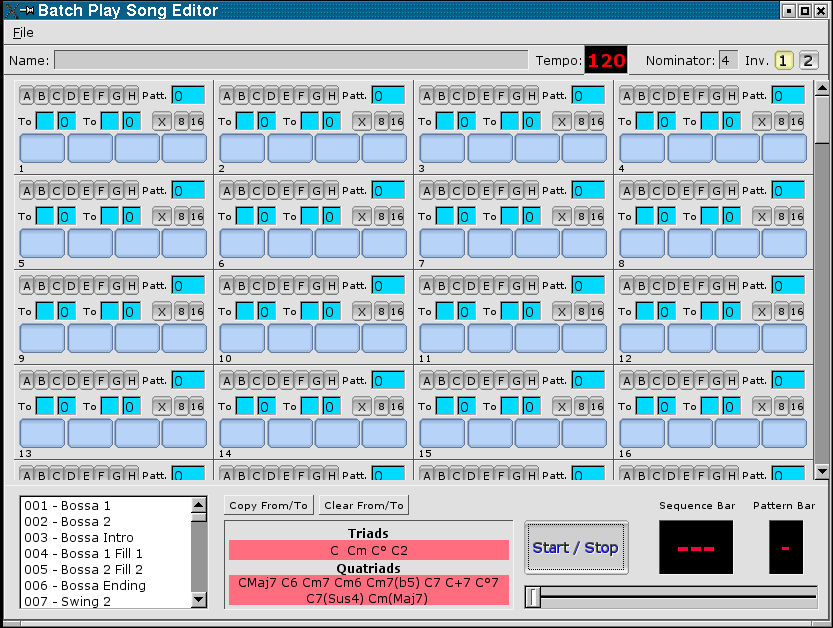
gmorgan is a rhythm station, a modern organ with full editable accompaniment for play in real time emulating the capabilities of commercial rhythm stations “Korg”,”Roland”, “Solton” … also has a small pattern based sequencer like “Band in a Box”. Uses the capabilities of ALSA sequencer to produce MIDI accompaniment.
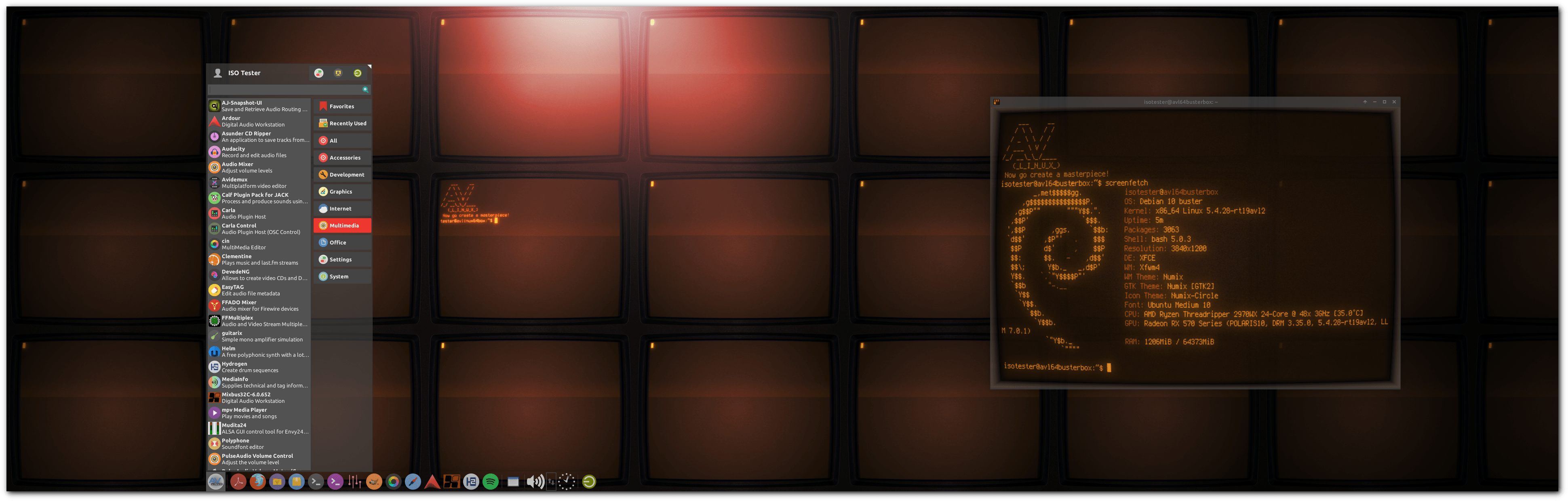
AV Linux is a free shared downloadable and installable snapshot ISO image based on Debian/GNU Linux pre-configured to be a turnkey AV content creation system pre-configured and ready to “Install and Create”.
Features:
Originates from 32bit and 64bit snapshots of the Debian Stable Distribution.
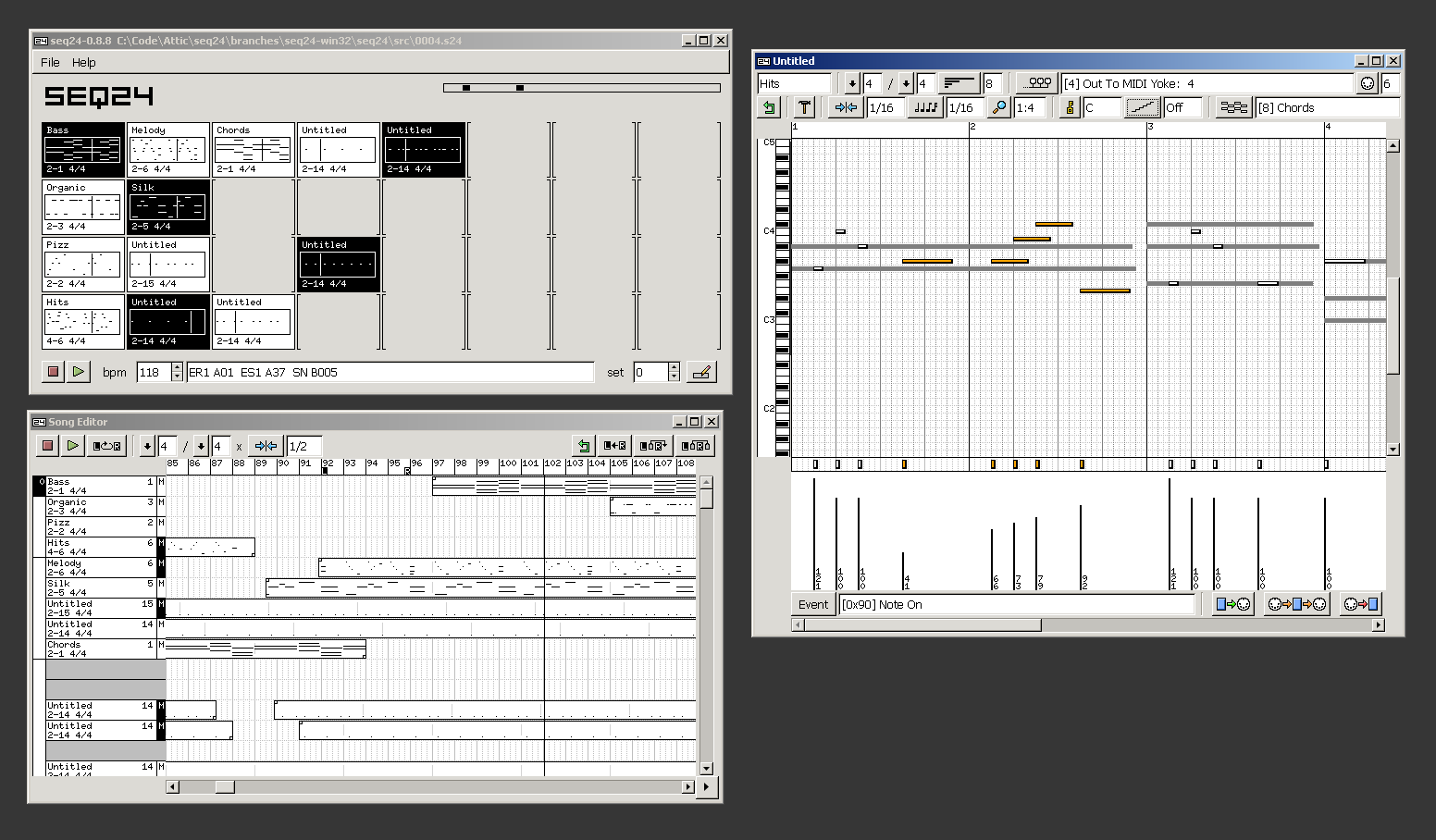
Seq24 is a minimal loop based midi sequencer. It was created to provide a very simple interface for editing and playing midi ‘loops’. After searching for a software based sequencer that would provide the functionality needed for a live performance, such as the Akai MPC line, the Kawai Q80 sequencer, or the popular Alesis MMT-8, I found nothing similar in the software realm. I set out to create a very minimal sequencer that excludes the bloated features of the large software sequencers, and includes a small subset of features that I have found usable in performing.
Rakarrack is a richly featured multi-effects processor emulating a guitar effects pedalboard. Effects include compressor, expander, noise gate, graphic equalizer, parametric equalizer, exciter, shuffle, convolotron, valve, flanger, dual flange, chorus, musical delay, arpie, echo with reverse playback, musical delay, reverb, digital phaser, analogic phaser, synthfilter, varyband, ring, wah-wah, alien-wah, mutromojo, harmonizer, looper and four flexible distortion modules including sub-octave modulation and dirty octave up. Most of the effects engine is built from modules found in the excellent software synthesizer ZynAddSubFX. Presets and user interface are optimized for guitar, but Rakarrack processes signals in stereo while it does not apply internal band-limiting filtering, and thus is well suited to all musical instruments and vocals. Rakarrack is designed for Linux distributions with Jack Audio Connection Kit.
Bristol is synth emulation package for a diverse range of vintage synthesisers, electric pianos and organs. The application consists of a multithreaded audio synthesizer and a user interface called brighton.
Features:
Over thirty emulators to mix and match
Multitimbral engine
Simultaneous splits and layers of different emulators
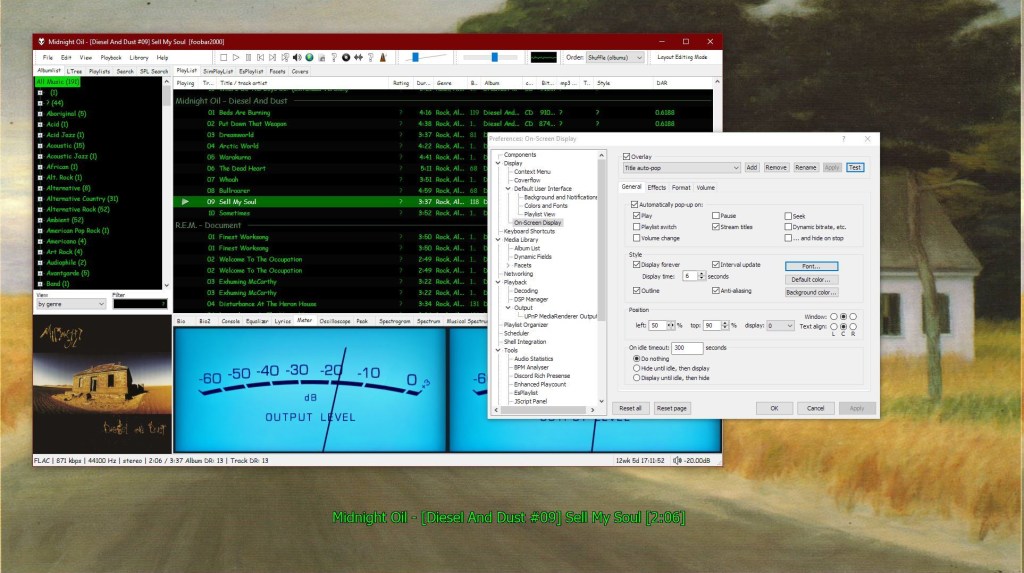
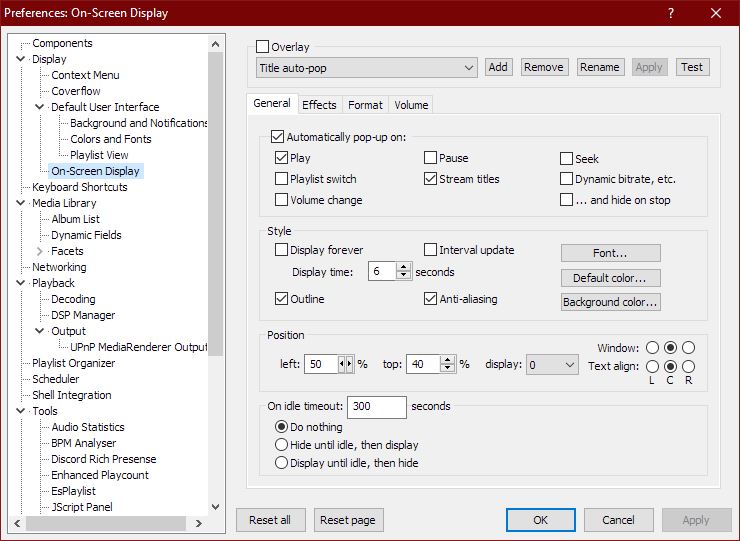
This component provides configurable screen overlays which may be opened with hotkeys, or appear on specific events. Each overlay is configured separately, and has its own set of events.
Foobar – OSD – Full Screen – Title DisplayFoobar ~ OSD – Full Screen – Volume Display
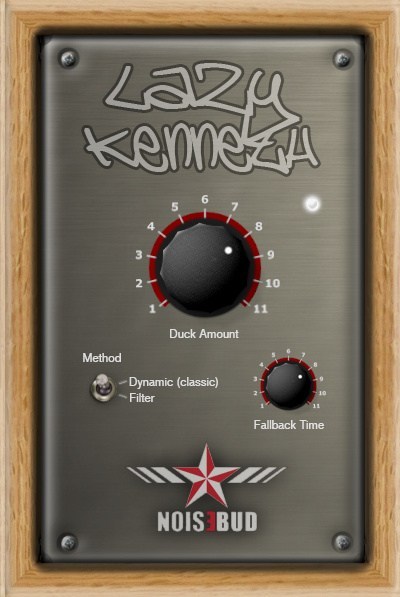
Lazy Kenneth will help those who don’t know how to use, or are too lazy to use sidechain to handle heavy basslines that collide with the bass drum in 4/4 music. That is music where you put a bass drum on all fours, techno, house, trance, minimal, tribal and so on. Put Lazy Kenneth on the bassline track and it will automatically duck the signal when the bass drum hits. You could place a LK on all tracks except the bass drum for some real heavy pumping effect.