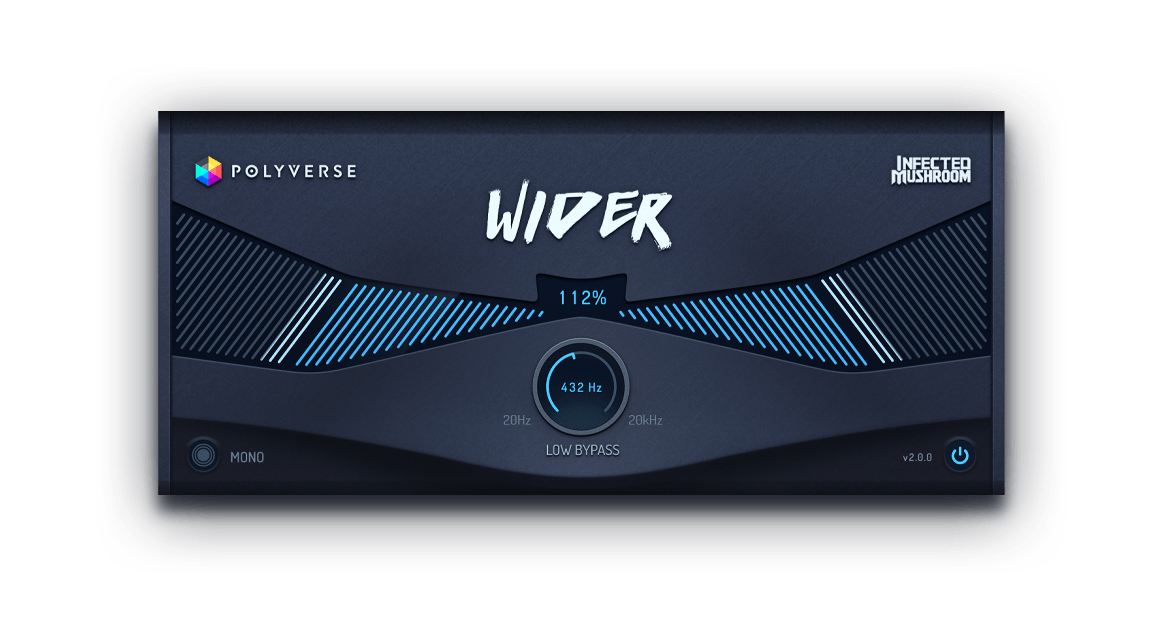
Pseudo stereo without phase issues. Wider takes the massively popular stereo section from its sibling, Manipulator, and creates the illusion of an expanded stereo image of a mono signal to an awe-inspiring amount of width. However, Wider is a unique stereo plugin in the sense that it is completely “mono-compatible”, meaning that any signal that has been extended will always remain in phase with itself, even if summed to mono.
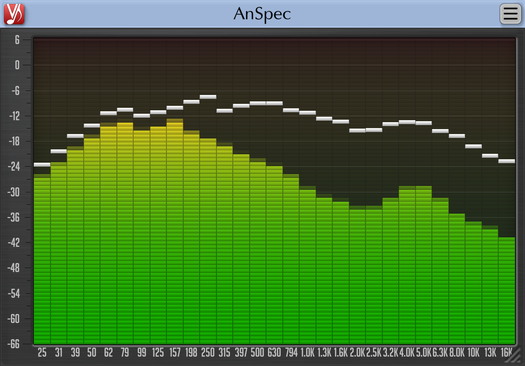
AnSpec is an analog-style one/third-octave spectrum analyzer AAX, AudioUnit and VST plugin for professional sound and music production applications. It was designed to be a handy visual feedback tool for those who like visual smoothness and easiness of use of analog analyzers. AnSpec also provides peak level indication.
While there are no adjustable parameters available in this plugin, you can still change level meter ballistics and resize plugin’s window.
With this free iPhone app and effect plug-in for PC and Mac you can easily remove vocals from songs! Vocalzap is a free iPhone™ / iPod™ app, and VST plugin, that can effortlessly remove the vocals from any song. If you want to sing along, click the “Lyrics” button. Toggle between the original singer or no vocals with the click of a button.
This is a Foobar2000 player wrapper plugin, which allows using VST plugins within the player. This component is depreciated and was developed for 0.9x versions of Foobar2000
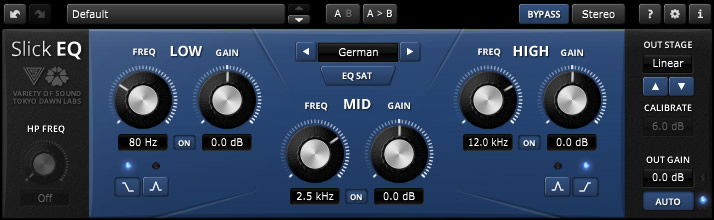
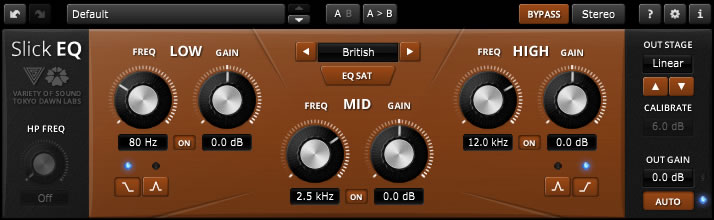
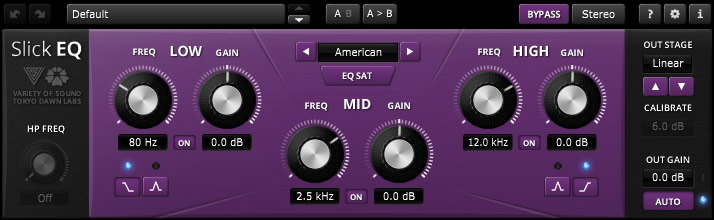
TDR VOS SlickEQ is a mixing / mastering equalizer designed for ease of use, musical flexibility and impeccable sound.
Three (and a half) filter-bands arranged in a classic Low/Mid/High semi-parametric layout offer fast and intuitive access to four distinct EQ modes, each representing a set of distinct EQ curves and behaviors. An elaborate auto gain option automatically compensates for changes of perceived loudness during EQ operation. Optionally, SlickEQ allows to exclusively process either the stereo sum or stereo difference (i.e. “stereo width”) without additional sum/difference encoding.
In order to warm up the material with additional harmonic content, SlickEQ offers a switchable EQ non-linearity and an output stage with 4 different saturation models. These options are meant to offer subtle and interesting textures, rather than obvious distortion. The effect is made to add the typical “mojo” often associated with classy audio gear.
An advanced 64bit multirate processing structure practically eliminates typical problems of digital EQ implementations such as frequency warping, quantization distortion and aliasing.
Beside the primary controls, the plug-in comes with an array of additional helpers: Advanced preset management, undo/redo, quick A/B comparison, copy & paste, an online help, editable labels, mouse-wheel support and much more.
Key specs and features:
Intuitive, yet flexible semi parametric EQ layout
Modern user interface with outstanding usability and ergonomics
Carefully designed 64bit “delta” multi-rate structure
Three EQ bands with additional 18dB/Oct high-pass filter
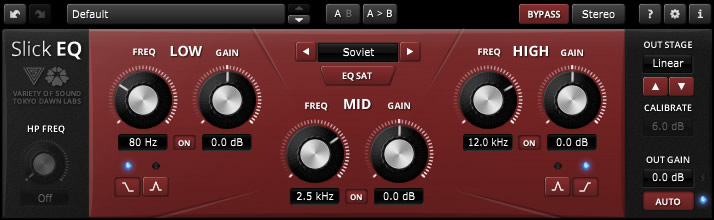
Four distinct EQ models: “American”, “British”, “German” and “Soviet” with optional non-linearity
Five output stages: “Linear”, “Silky”, “Mellow”, “Deep” and “Toasted”
Advanced saturation algorithms by VoS (“Stateful saturation”)
Highly effective and musically pleasing loudness compensated auto gain control
Stereo and sum/difference processing options
Toolbar with undo/redo, A/B, advanced preset management and more
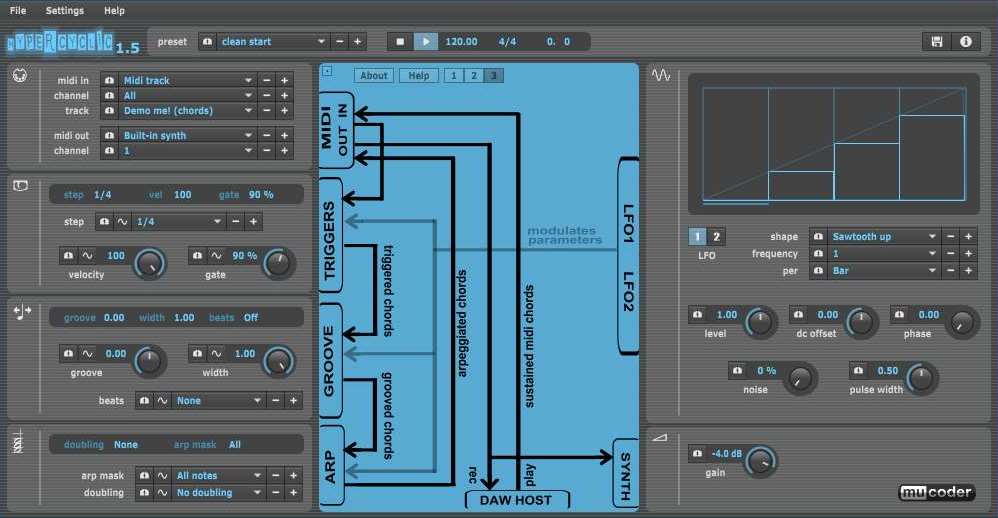
an LFO-driven MIDI arpeggiator, gate effect and step sequencer
for mangling sustained MIDI input chords
the output of which can then drive other MIDI instruments
acts either as a VST or Audio Unit plugin for your DAW, or as a standalone application
the original hypercyclic won 2nd place in the KVRAudio.com Developer Challenge ‘07
the sweet spot for hypercyclic is the narrow border between chaos and regularity. Or, in other words, how to induce a certain pleasant randomness and syncopation, yet forcing everything to align again on the bar or beat boundaries
How do you use it?
the main use for hypercyclic is to generate midi that can be recorded and/or sent to other plugins. However it also features a simple built-in synth for testing purposes
you can use two tempo-synced LFOs to modulate various parameters for creating interesting rhythmic effects and chord variations
a unique feature is the possibility to modulate the sequencer step size itself, which is useful for creating glitchy stuttering effects
another thing you can use is a groove function for playing slightly off the beat. The groove parameters can also be modulated over time by the LFOs, adding to the rhythmic variation
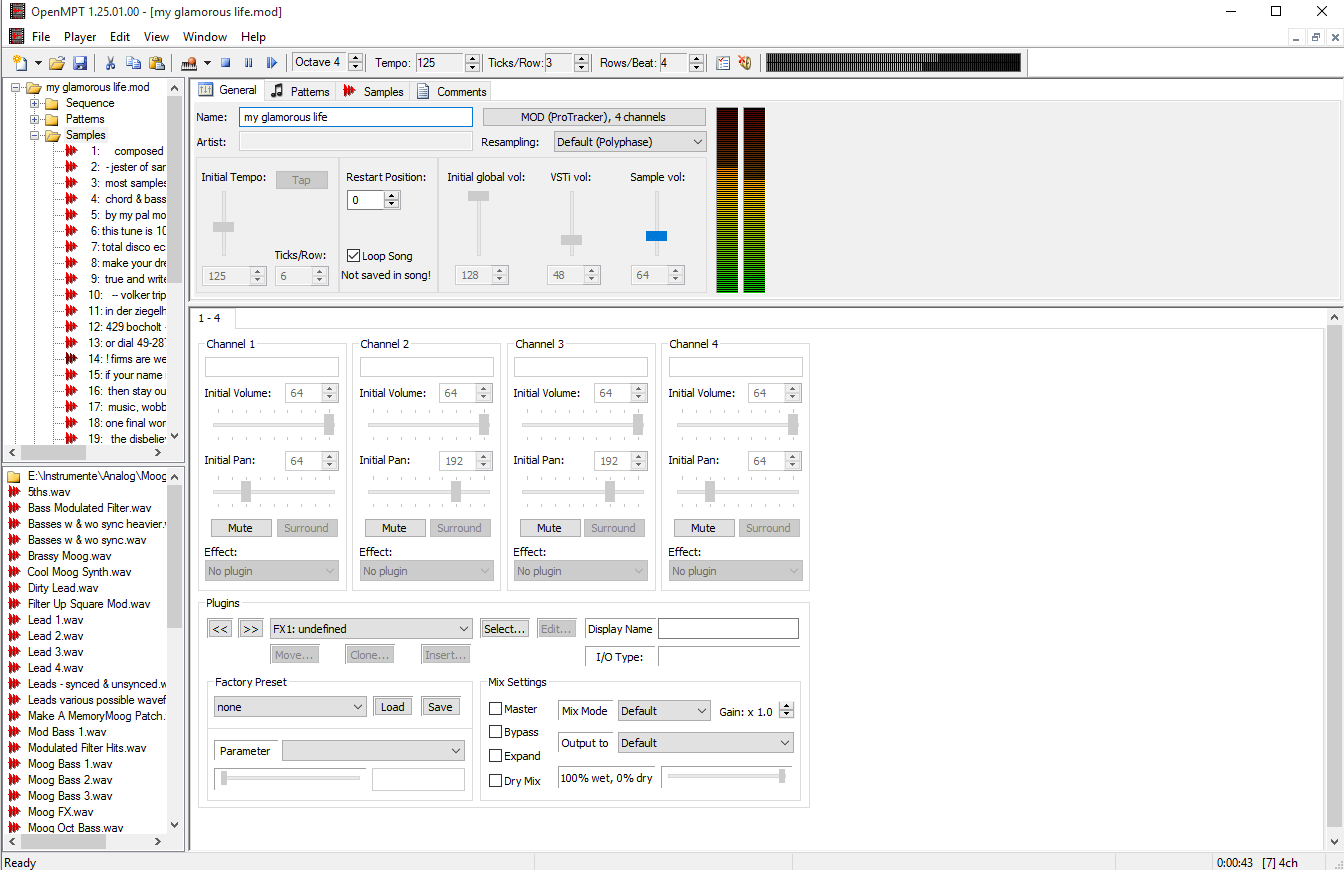
OpenMPT is well known tracker software for Windows.
OpenMPT (shorthand for Open ModPlug Tracker) is completely free and allows you to create and play back some great music on your computer. Based on the original ModPlug Tracker written by Olivier Lapicque, OpenMPT is free software, can import a wide variety of module formats and offers an intuitive, native GUI as well as advanced features such as VST plugins and ASIO output.
In addition to its own song format, OpenMPT can natively edit Impulse Tracker, FastTracker, Scream Tracker and ProTracker module files.
OpenMPT based module player library and libopenmpt based command-line player:
libopenmpt is a cross-platform C++ and C library to decode tracked music files (modules) [wikipedia] into a raw PCM audio stream.
openmpt123 is a cross-platform command-line or terminal based module file player.
libopenmpt is based on the player code of the OpenMPT project (Open ModPlug Tracker). In order to avoid code base fragmentation, libopenmpt is developed in the same source code repository as OpenMPT.
libopenmpt ships with plugins for 3 popular Windows audio players already included:
xmp-openmpt is a plugin based on libopenmpt for XMPlay.
in_openmpt is an input plugin based on libopenmpt for WinAMP 2.x or later compatible players.
foo_openmpt is a component based on libopenmpt for foobar2000.
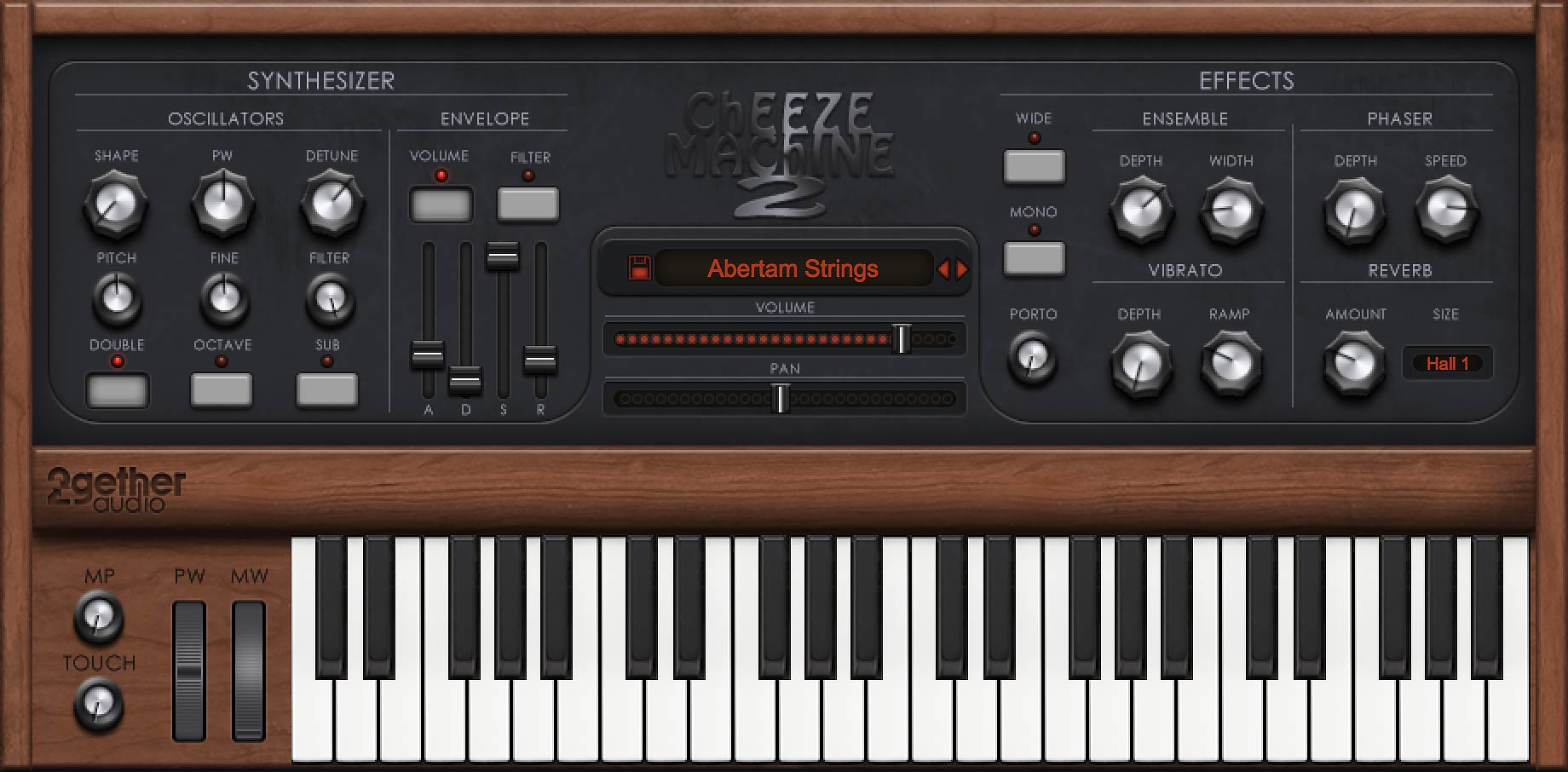
Back by popular demand comes a remastered version of the extremely popular Cheeze Machine virtual instrument by Big Tick Audio. An extra cheesy, extra saucy string box in the style of the original vintage string machines. Cheeze Machine 2 includes an expanded oscillator section, convolution reverb, a vintage ensemble chorus, and 64 bit compatibility for VST, AU, AAX and standalone applications.
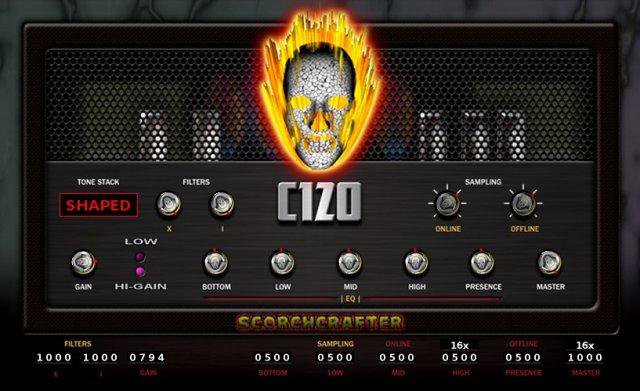
A group of audio DAW plug-ins targeting Windows (VST), Mac (VST/AU), and Linux, mostly for guitar amplifier simulation, with the C-120 being the flagship product (which started off long ago as a closed-source VST). Open source, mostly under GPL.
Features:
Up to 128-bit (internal) Multi-Stage Guitar Amplifier Layered Distortion, also runs in 64 and 32 bit modes
Native Mac and Linux ports coming soon
Advanced maths for tube-like guitar amplifier distortion, doesn’t use cheap waveshaping
Designed with dynamic response that changes according to the input level – Much more than just a basic “sample in, sample out”
Up to 12x Internal Oversampling, separate controls for live/online and off-line render
Multi-Band EQ – low, mid, high, contour, presence
Built-in custom convolution-based cab-mic effect, works with almost any sample rate and/or audio buffer size
New version of C120 has less clutter in GUI, separate page for advanced features
No commercial bloat!
GPL license, but just for the plug-in itself
Any rendered/processed audio is YOURS (any license you want)!
Hand-Coded in C++, pre-fab code or “wizards” were NOT used to build this!
Primarily built with MinGW-w64 and Code::Blocks IDE
NEW Jykwrakker plugin also features custom stereo reverb FX you won’t find elsewhere.
NEW Source code available under zlib license (long overdue)
Protoplug is a VST/AU plugin that lets you load and edit Lua scripts as audio effects and instruments. The scripts can process audio and MIDI, display their own interface, and use external libraries. Transform any music software into a live coding environment!
Cross-platform: builds for Windows, Mac OS X and Linux. This means that all protoplug scripts are compatible with these platforms and can be loaded into a huge amount of audio software (glory to JUCE).
Fast: Use the speed of LuaJIT, and perform DSP tasks as efficiently as old school C implementations.
Free and open source: Want a new feature? Add it yourself. The source is MIT-licensed and available on Github.












 The Audio File