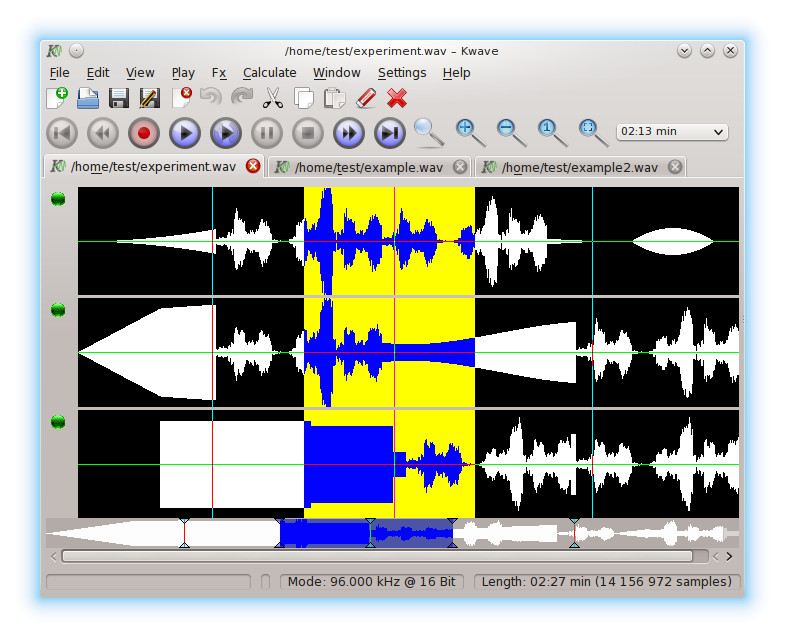
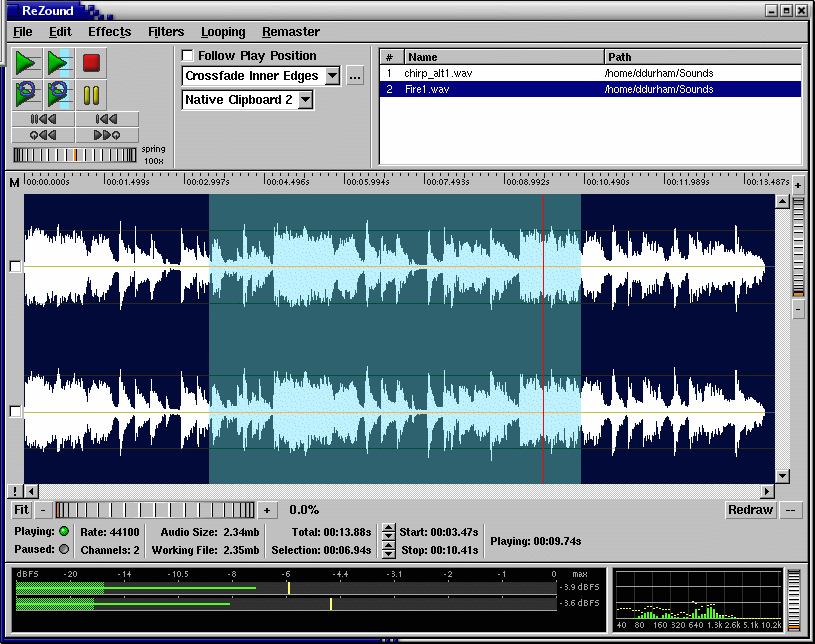
Kwave is a sound editor for the KDE environment. It is written with KDE/QT and is extendable through a powerful plugin interface. For the moment it supports .wav files and many other formats, recording/playback via PulseAudio, Qt Multimedia, OSS and ALSA and some simple effects.
Tapedeck is an audio editor for Linux with an alternative control interface. Instead of a mouse, keyboard, and screen, it uses the DJ board Hercules DJ Control Instinct, and a set of LED graph displays (not currently implemented, simulated with terminal graphics).
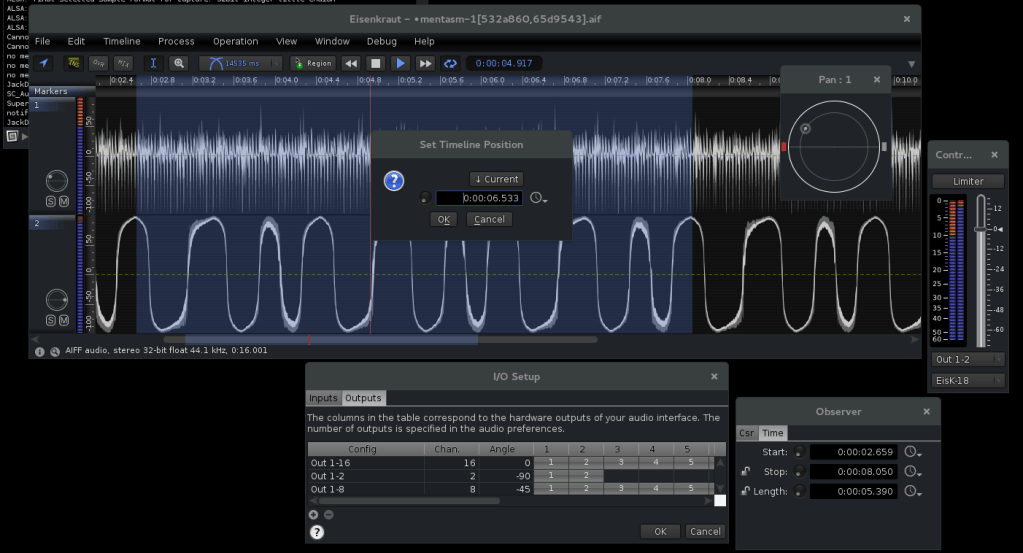
The audio file editor, baptised ‘Eisenkraut’, came into existence (as a scaffold) during a project class on audio programming in Java at the SeaM in Weimar. It is distinguished by a number of traits which makes it particularly interesting in the field of computer music: There are no restrictions with regard to the number of channels in a file, and there is an OSC interface via which the functionality can be extended, for example using the SuperCollider language. Possible applications of such extensions are the transfer of marker information or the maintenance of meta data for segmented files, the algorithmic editing (cut/copy/paste) of files, or the addition of your own sound transformations or special decoders (e.g. an MS matrix).
Multitrack Web Audio editor and player with canvas waveform preview. Set cues, fades and shift multiple tracks in time. Record audio tracks or provide audio annotations. Export your mix to AudioBuffer or WAV! Inspired by Audacity, this project is written in ES2015 using the Web Audio API.
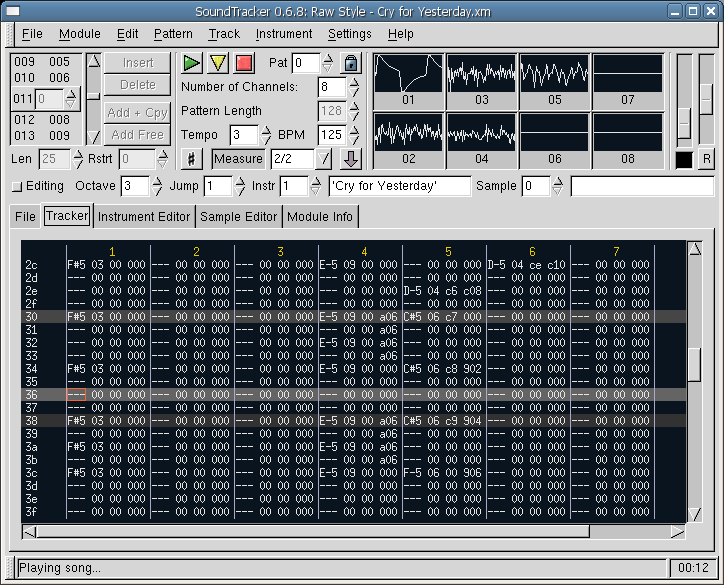
SoundTracker is a music tracking tool for Unix / X11 similar in design to the DOS program FastTracker and the Amiga legend ProTracker. Samples can be lined up on tracks and patterns which are then arranged to a song. Supported module formats are XM and MOD; the player code is the one from OpenCP. A basic sample recorder and editor is also included. SoundTracker is free (“open source”) software, licensed under the GNU GPL.
Ecasound is a software package designed for multitrack audio processing. It can be used for simple tasks like audio playback, recording and format conversions, as well as for multitrack effect processing, mixing, recording and signal recycling. Ecasound supports a wide range of audio inputs, outputs and effect algorithms. Effects and audio objects can be combined in various ways, and their parameters can be controlled by operator objects like oscillators and MIDI-CCs. A versatile console mode user-interface is included in the package.
The primary platform for running Ecasound is GNU/Linux. Ecasound can also be run on many UNIX-derived systems such as FreeBSD, Mac OS X and Solaris. Limited support for Windows is available through Cygwin.
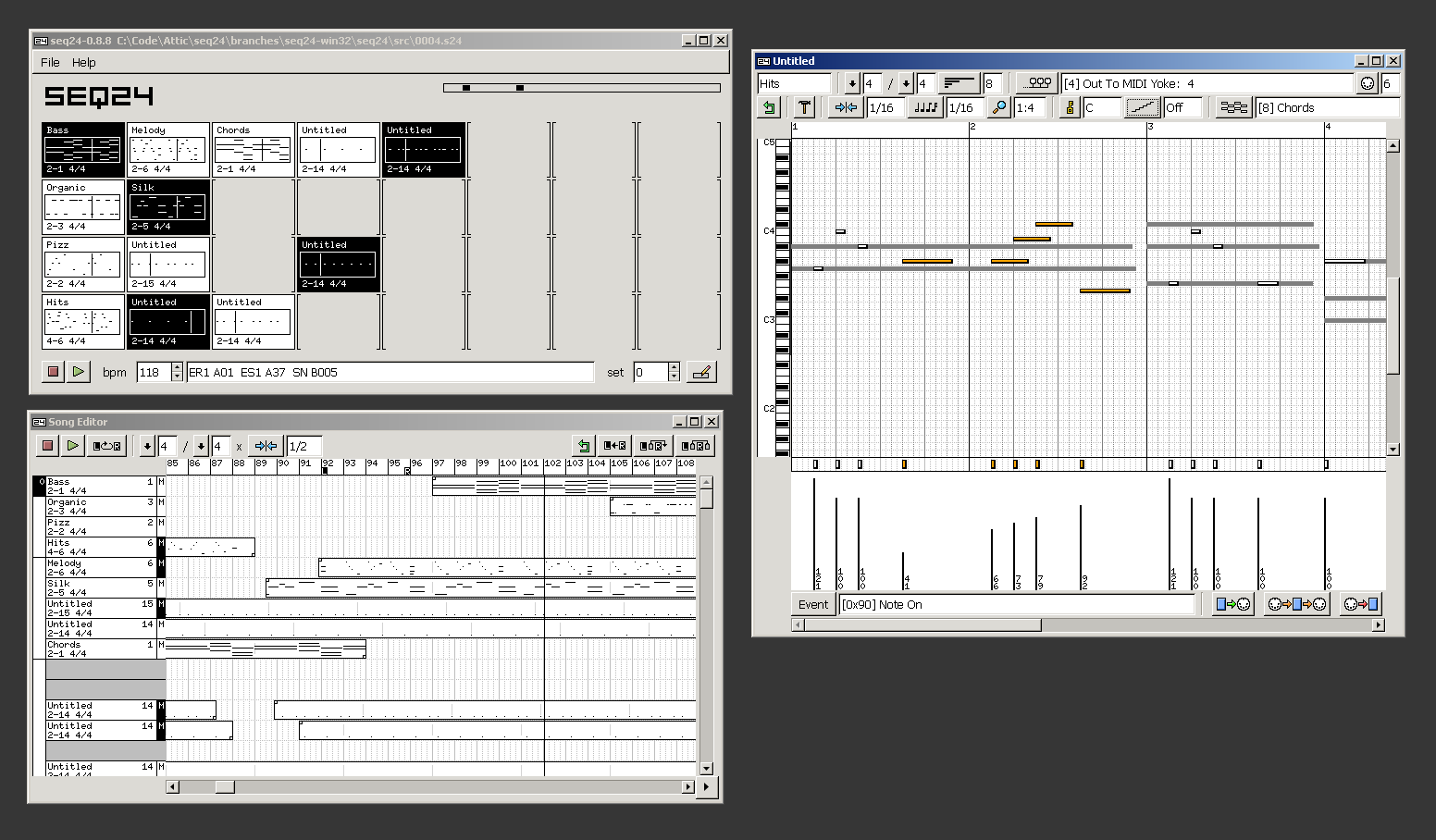
Seq24 is a minimal loop based midi sequencer. It was created to provide a very simple interface for editing and playing midi ‘loops’. After searching for a software based sequencer that would provide the functionality needed for a live performance, such as the Akai MPC line, the Kawai Q80 sequencer, or the popular Alesis MMT-8, I found nothing similar in the software realm. I set out to create a very minimal sequencer that excludes the bloated features of the large software sequencers, and includes a small subset of features that I have found usable in performing.
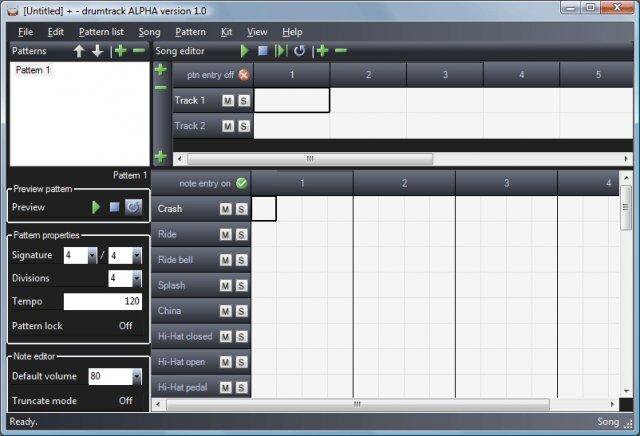
An open source software drum machine for Windows that allows the editing, playback, and mixdown of complete drum scores using audio samples in a variety of formats (WAV, OGG, MP3, AIFF, FLAC, MP2, WMA). Mixdown to WAV audio supported.
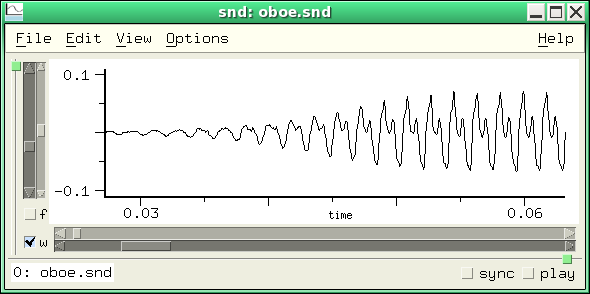
Snd is a sound editor modelled loosely after Emacs. It can be customized and extended using either s7 (included in the Snd sources), Ruby, or Forth. Snd is free; the code is available via anonymous FTP as Snd tarball.
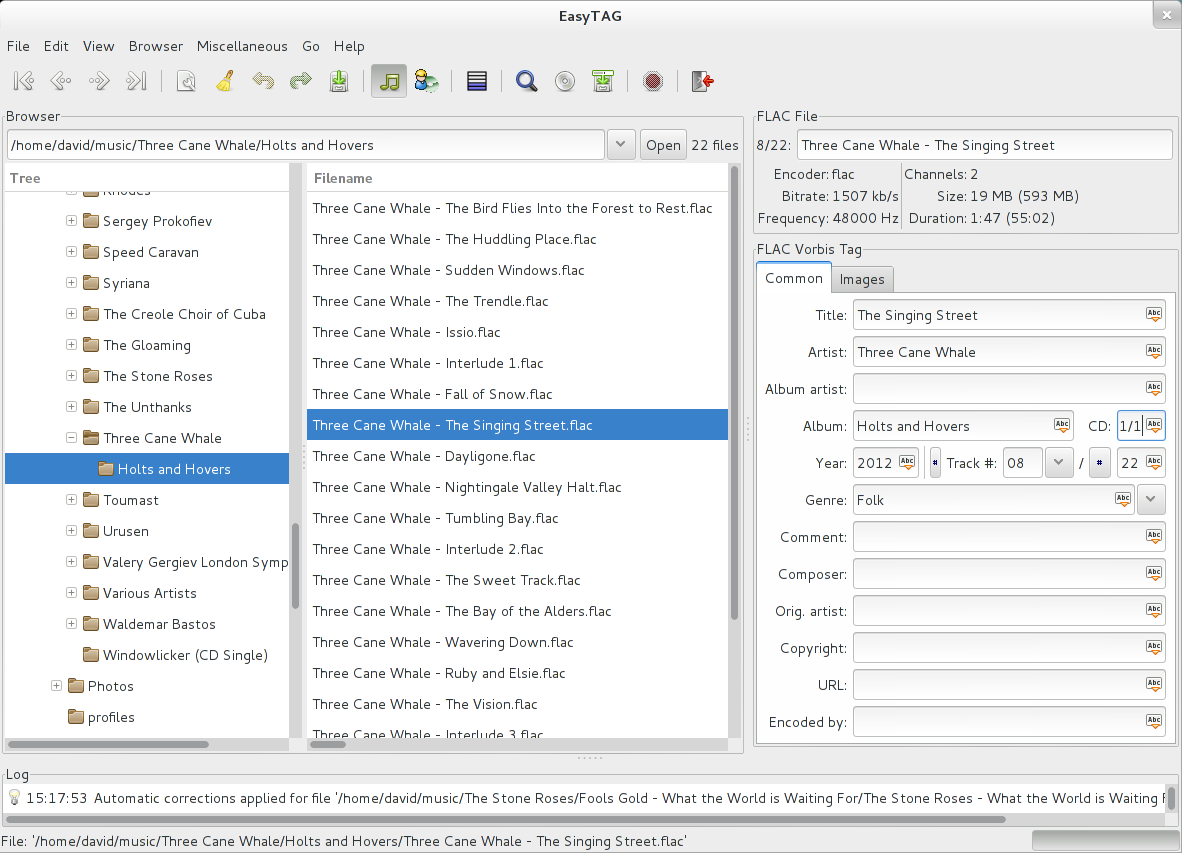
EasyTAG is a simple application for viewing and editing tags in audio files.It supports MP3, MP2, MP4/AAC, FLAC, Ogg Opus, Ogg Speex, Ogg Vorbis, MusePack, Monkey’s Audio, and WavPack files, and it works under Linux or Windows.
Features:
View, edit, write tags of MP3, MP2 files (ID3 tag with pictures), FLAC files (FLAC Vorbis tag), Ogg Opus files (Ogg Vorbis tag), Ogg Speex (Ogg Vorbis tag), Ogg Vorbis files (Ogg Vorbis tag), MP4/AAC (MP4/AAC tag), MusePack, Monkey’s Audio files and WavPack files (APE tag)
Can edit more tag fields: title, artist, album, disc number, year, track number, comment, composer, original artist/performer, copyright, URL, encoder name and attached picture
Auto tagging: filename and directory to automatically complete the fields (masks)
Ability to rename files and directories from the tag (using masks) or by loading a text file
Process selected files of the selected directory
Ability to browse subdirectories
Recursion for tagging, removing, renaming, saving…
Can set a field (artist, title,…) to all other files
Read and display file header information (bitrate, time,…)
Auto completion of the date if a partial one is entered
Undo and redo last changes
Ability to process fields of tag and file name (convert letters into uppercase, lowercase,…
Ability to open a directory or a file with an external program
CDDB support using Freedb.org and Gnudb.org servers (manual and automatic search)
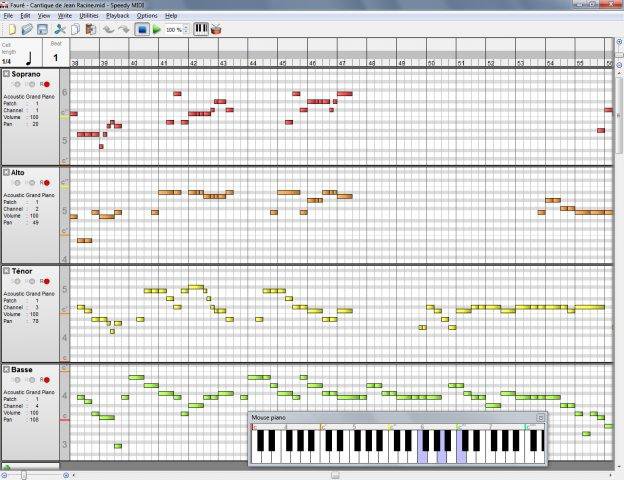
Speedy MIDI is an editor designed for choirs and singers to quickly generate MIDI files for rehearsal.
Focus is on fast and easy note entry
If the quality of the sheet music is too low for scanning, Speedy MIDI is an interesting alternative to other MIDI or notation editors. Use the mouse piano for input, or an external MIDI keyboard.
Cell raster technique
Note lengths are entered in multiples of the current cell length. Thus entering dotted notes or ties is not needed any more! Tuplets are fully supported.
Simultaneous entry in multiple tracks
Speedy MIDI automatically distributes multiple pressed notes to multiple tracks. This helps when entering music with same rhythmic patterns in multiple voices, e.g. chorale music.