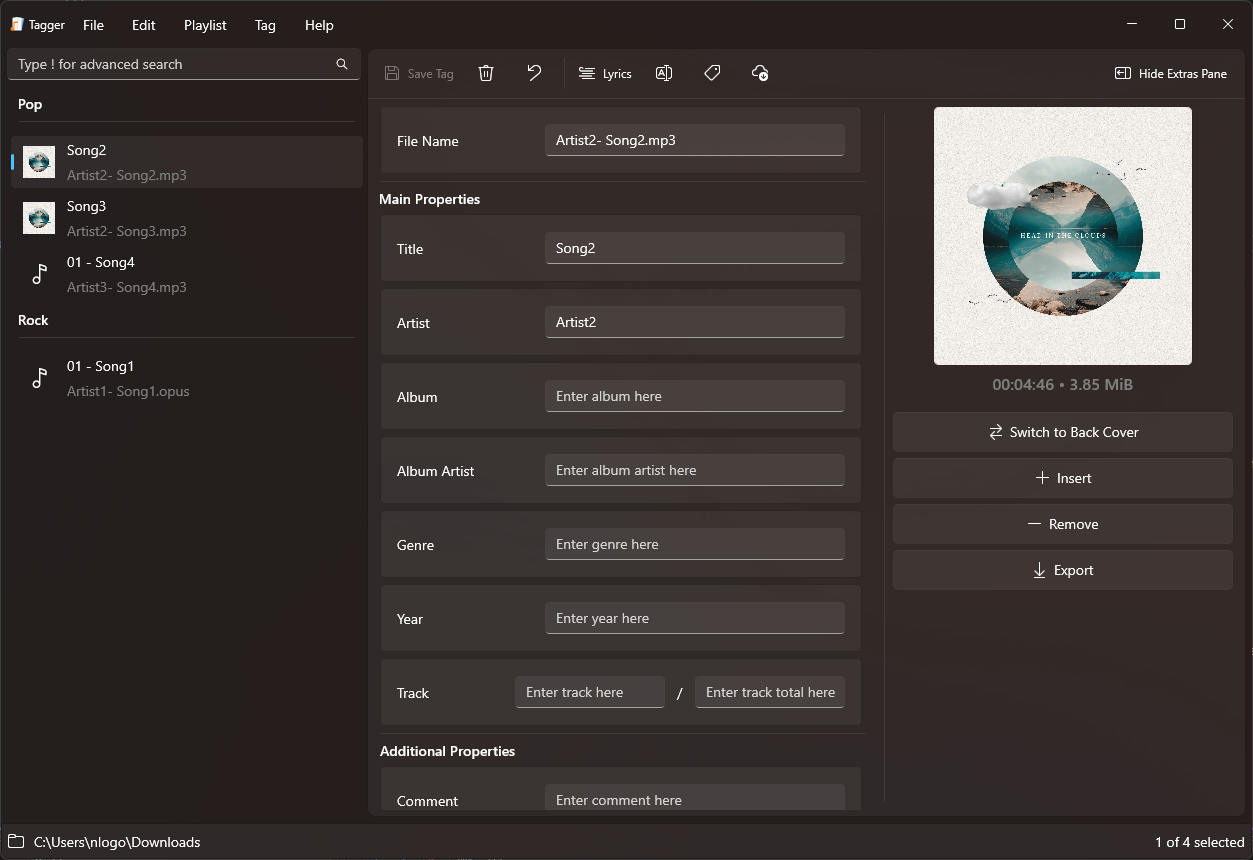
tone is a cross platform audio tagger and metadata editor to dump and modify metadata for a wide variety of formats, including mp3, m4b, flac and more. It has no dependencies and can be downloaded as single binary for Windows, macOS, Linux and other common platforms.
The code is written in pure C# and utilizes the awesome atldotnet library to provide full support for a wide variety of audio and metadata formats.
Features:
The main purpose of tone is to tag m4b audio books for myself. It is planned as a successor to [m4b-tool].
dump metadata of audio files
different metadata formats (e.g. chptfmtnative, ffmetadata, etc.)
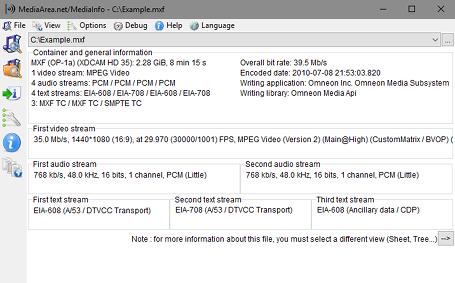
file information (bitrate, channels, duration, etc.)
support for filterable json output (similar to jq)
extensive list of supported tags (default fields like album or *artist as well as custom fields, covers, chapters, etc.)
tag audio files with different kinds of metadata
different file formats (e.g. mp3, m4b, and flac)
extensive list of supported tags (default fields like album or *artist as well as custom fields, covers, chapters, etc.)
filename to tags via --path-pattern (see below)
custom javascript taggers via --script and --script-tagger-parameter
I wrote this because I wanted a command line tool that could add album art to (and save from) mp3 files, compute replaygain and save them as ID3 tags (readable by Winamp, etc).
Features:
Write (all) Text, URL and Picture frame tags, with description.
Compute replay-gain values and set them as ID3v2.3 tags.
Apply and Undo volume gain (as mp3gain).
Extract pictures from mp3 files.
Inspect ID3 v1.1, v2.3, and v2.4 tags.
Inspect detailed info on mp3 files, including lametag data.
TagLib is a library for reading and editing the meta-data of several popular audio formats. Currently it supports both ID3v1 and ID3v2 for MP3 files, Ogg Vorbis comments and ID3 tags and Vorbis comments in FLAC, MPC, Speex, WavPack, TrueAudio, WAV, AIFF, MP4 and ASF files.
Vinyl sounds better, looks better, feels better and even smells better. But digital does have its benefits, musical metadata is one of them. Having the key, tempo and other musical metadata for your records at a glance would be useful. Disconest uses The Echonest music database to find information about releases registered on Discogs.
As of November 2024 Spotify removed access to api endpoints used by Disconest and many other indie apps. Without these apis Disconests functionality is limited. See the Spotify Developer blog for more details.
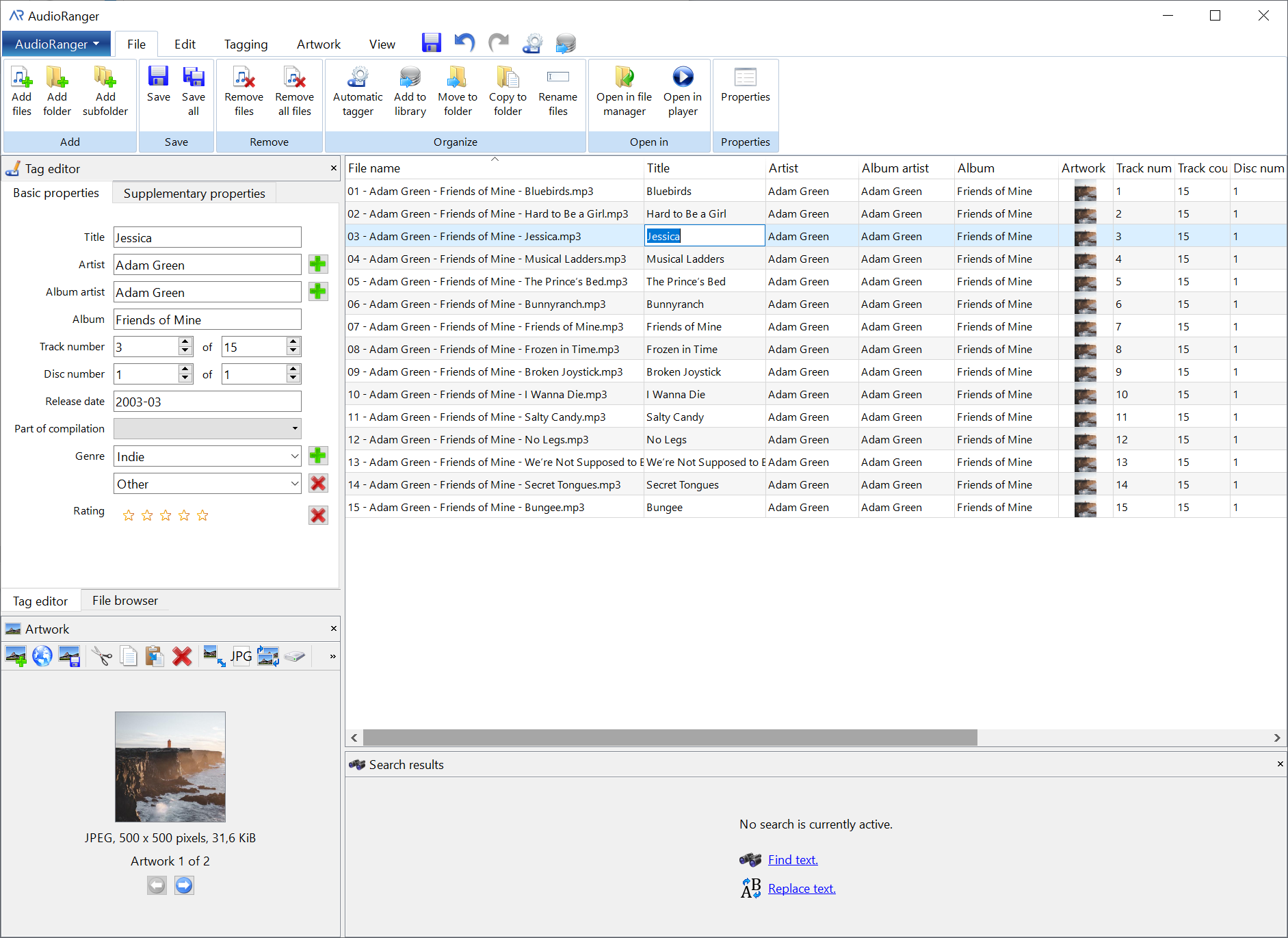
AudioRanger is a powerful and versatile music tagger designed to automatically identify and organize your digital music collection.Runs on Windows and Mac. Feature-rich free version available. (Has limits)
This component displays several groups of items which are described in the following sections. The item names are displayed in upper-case letters in the UI element, but can also be used in lower-case in title formatting code, since field names in title formatting are case-insensitive.
The Location group contains information about the physical location of the track.
The Tag Fields group contains the user-modifiable metadata fields of the track.
The technical Fields groups contains technical information fields that are provided by the decoder.
The Replaygain group contains the Replaygain data of the track.
MusicBrainz is an open music encyclopedia that collects music metadata and makes it available to the public.
MusicBrainz aims to be:
The ultimate source of music information by allowing anyone to contribute and releasing the data under open licenses.
The universal lingua franca for music by providing a reliable and unambiguous form of music identification, enabling both people and machines to have meaningful conversations about music.
Like Wikipedia, MusicBrainz is maintained by a global community of users and we want everyone — including you — to participate and contribute.