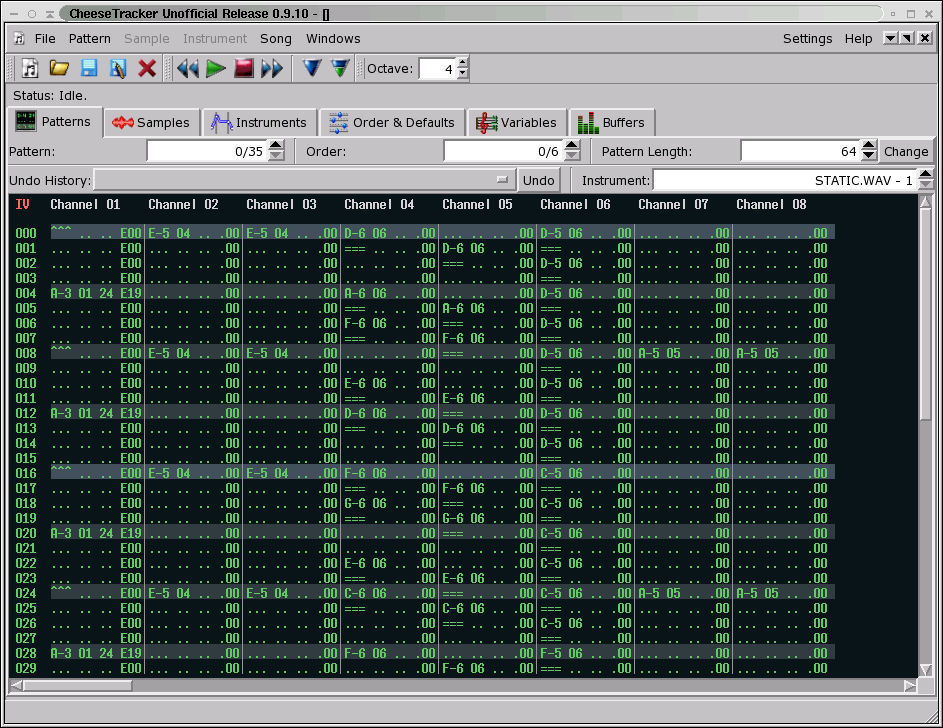
CheeseTracker is a software sampler and step-based sequencer. It allows a musician to turn single-note samples into instruments capable of covering three or four octaves (by playing the samples at different speeds, resulting in different pitches). In addition, it is possible to take a collection of samples that are recorded at different octaves, and combine them into a single “instrument,” allowing for even more octaves without sampling artifacts.
Using the Pattern Editor, it is possible to compose songs with these instruments that the computer plays automatically. The Pattern Editor allows the user to arrange samples in several independant channels, so that many samples can play simultaneously. These songs, and the samples which comprise their instruments, can be saved together in one-file archives called modules.
CheeseTracker imposes no limits on the length of the samples used. As a result, it can be used as a mixer as well as a sampler/sequencer. Effects such as reverb can be applied to each sample individually, eliminating the need for expensive pedals.
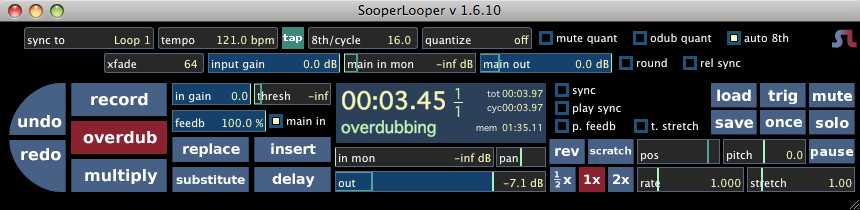
SooperLooper is a live looping sampler capable of immediate loop recording, overdubbing, multiplying, reversing and more. It allows for multiple simultaneous multi-channel loops limited only by your computer’s available memory.
The application is a standalone JACK client with an engine controllable via OSC and MIDI. It also includes a GUI which communicates with the engine via OSC (even over a network) for user-friendly control on a desktop. However, this kind of live performance looping tool is most effectively used via hardware (midi foot pedals, etc) and the engine can be run standalone on a computer without a monitor.
SooperLooper is currently supported on Linux and Mac OS X, and any other platforms that support JACK. A Mac OS X Audio Unit version is included which does not require JACK to run.
LSP (Linux Studio Plugins) is a collection of open-source plugins currently compatible with LADSPA, LV2 and LinuxVST formats. The basic idea is to fill the lack of good and useful plugins under the GNU/Linux platform.
Features:
Plugins available in LV2 format, native X11 UI is provided
Plugins available in LADSPA format
Plugins available in LinuxVST format, native X11 UI is provided
Standalone plugins available as JACK applications, X11 UI is provided
Highly-optimized source code for x86 and x86_64 architecture with support of SSE, SSE2, SSE3 and AVX instruction set
Highly-optimized source code for ARMv7 architecture with support of NEON instruction set
Source code and binaries are available for free download
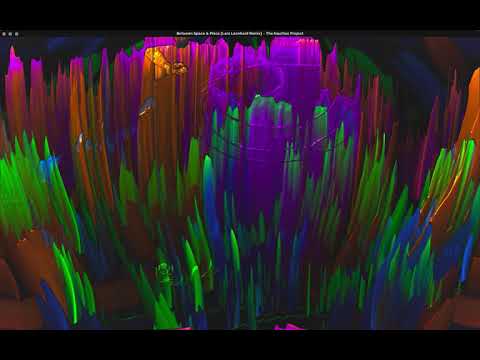
projectM is an open-source, cross-platform reimplementation of Winamp MilkDrop, the music visualizer created by Ryan Geiss. What began as a way to bring MilkDrop-style graphics to more platforms has grown into an ecosystem of visualization libraries, desktop frontends, audio plug-ins, media-player integrations and large community preset collections.
The projectM engine
The central project is libprojectM, a reusable C++ library rather than a complete desktop application. It accepts audio samples (PCM), analyses the signal using FFT and beat detection, interprets MilkDrop-style preset equations and shaders, and renders the resulting animation with OpenGL. It can render into an OpenGL context or a texture so that another application can display the output.
This separation matters: the library does not provide a complete audio player or desktop audio-capture interface. A frontend or host application supplies audio, provides the user interface and graphics context, and makes presets and textures available. The core library is licensed under LGPL-2.1; individual frontends, plug-ins and integrations may use different licenses.
These projects provide a desktop interface around the visualization engine:
projectMSDL (SDL/C++) — the official cross-platform standalone frontend. It captures desktop audio and displays projectM visualizations on platforms supported by SDL and libprojectM. The current 2.0 application is a development preview; the project documentation cautions that it is not yet feature-complete and may contain bugs.
Qt frontend — a Linux desktop application supporting PulseAudio, PipeWire and JACK. It adds a preset playlist editor, saved preset ratings and a graphical settings dialog.
SDL/Rust frontend — a Rust and SDL3 standalone application under development.
Audio plug-ins and player integrations
One of projectM’s strengths is that it can be embedded in other audio software instead of running as a separate visualizer window.
DISTRHO ProM — an audio plug-in implementation of projectM using the DISTRHO Plugin Framework. It provides CLAP, LV2, VST2 and VST3 formats, allowing a compatible DAW or plug-in host to display MilkDrop-style visualizations. ProM is a separate downstream project, not an official projectM frontend.
foobar2000: foo_vis_projectM — a Windows visualization component by djdron. Its source is at GitHub. It bundles the Cream of the Crop presets and textures. The component repository lists version 0.0.5, released in August 2022, for 32-bit and 64-bit Windows and foobar2000 1.5 or newer.
foo_uie_vis_projectM — an older foobar2000 visualization-panel component. This is a separate, historical implementation; do not confuse it with foo_vis_projectM.
Apple Music plug-in — an official projectM front-end plug-in for Apple Music on macOS. The project documentation currently describes it as a development preview.
libvisual plug-in — exposes projectM visualizations to applications that support the libvisual plug-in interface.
Media players and processing pipelines
Kodi visualization.projectm — a Kodi visualization add-on with its own source repository. Build branches need to match the Kodi version being used.
gst-projectm — a GStreamer plug-in that inserts projectM visualization into an audio/video pipeline. It can be used for offline rendering and audio-to-video conversion as well as pipeline-based playback.
pmstream — an unusual Linux implementation that renders projectM frames as ASCII or Sixel graphics in a terminal. It can work with the kew terminal music player.
The projectM developers also document integrations in Kodi, VLC and Silverjuke.
Presets and textures
MilkDrop-style presets are the creative heart of projectM. A preset describes a visualization through equations, parameters and shaders.
Cream of the Crop — a curated collection of approximately 9,795 MilkDrop presets assembled by Jason Fletcher. It became the default preset pack for projectM releases beginning in 2022.
MilkDrop texture pack — the original MilkDrop textures plus additional images used by many presets. The texture pack is recommended alongside preset collections.
The main projectM repository has hundreds of GitHub forks, but most are ordinary copies or development branches:
Project-M by ford442 — a fork of the official C++ projectM library that adds a browser/WebAssembly host and related web functionality. It is an independent extension of the engine, not the official desktop frontend.
foo_vis_projectM — a downstream foobar2000 implementation using a modified projectM source tree, including support for reading preset resources from ZIP archives.
projectm-frontend-sdl-py — a Python/SDL2 frontend that wraps projectM and routes captured audio to the engine.
Lactea belongs in the wider MilkDrop-compatible ecosystem, but it is not a projectM fork or a frontend using libprojectM. It is an independent Rust implementation supporting MilkDrop 2/3 and projectM-compatible presets, with its own standalone application, library, Kodi add-on and web demo.
Other distributions
projectM Music Visualizer on Steam provides an end-user distribution of the visualizer. The official project documentation currently identifies the modern desktop version as a development preview. The Android projectM app is maintained by an independent app author; the projectM developers explicitly state that they do not develop or support the Android apps.
Project status and links checked November 2026. projectM is an evolving ecosystem: the core library, frontends and third-party integrations have separate release schedules, licenses and support arrangements.
KXStudio is a collection of applications and plugins for Linux, Mac and Windows audio production. KXStudio also provides Debian and Ubuntu compatible repositories.
QmidiNet is a MIDI network gateway application that sends and receives MIDI data (ALSA Sequencer and/or JACK MIDI) over the network, using UDP/IP multicast. Inspired by multimidicast and designed to be compatible with ipMIDI for Windows.
Distraction-free – Helio is an attempt to rethink a music sequencer to create a tool that feels right. It provides a lightweight UI to help you get into the zone and focus on your ideas.
Clear over clever – Visualize music in a way that doesn’t seem so smoke and mirrors. The app may serve as a learning tool you need to grow as a composer.
Cross-platform tech – Available for all major platforms, desktop and mobile. Hosts VST and AudioUnit, runs on CoreAudio, ASIO, DirectSound, ALSA, JACK and OpenSLES. Exports to MIDI, WAV and FLAC.
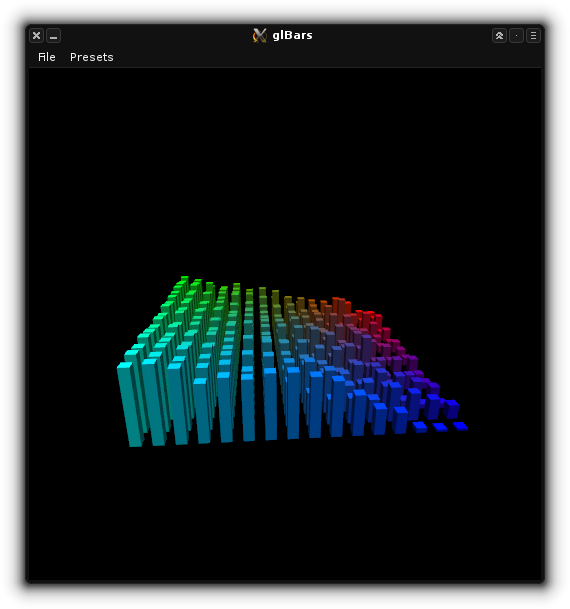
This is an OpenGL bars visualization plugin (as seen in XMMS and XBMC/Kodi). It’s adapted from the jack_glbars project by Nedko Arnaudov. glBars works as a JACK standalone and audio plugin (LV2 or VST).
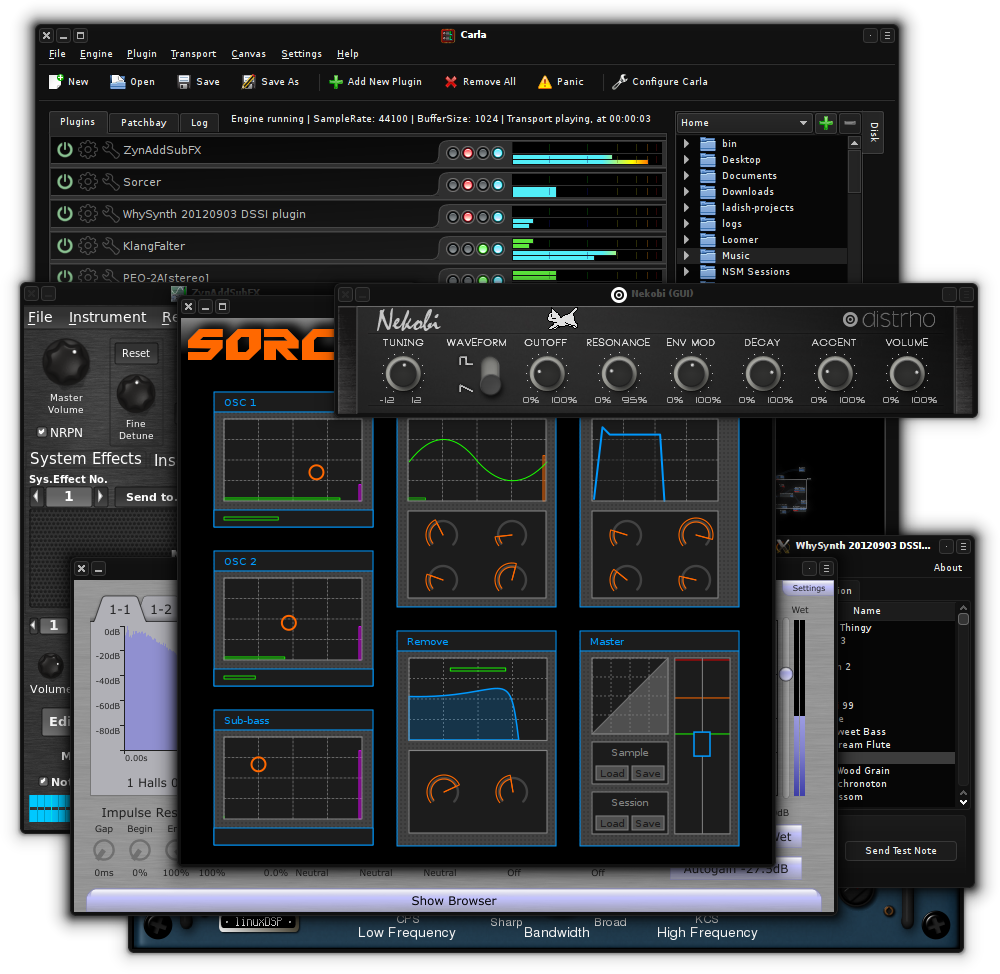
Carla is a fully-featured modular audio plugin host, with support for many audio drivers and plugin formats. It has some nice features like transport control, automation of parameters via MIDI CC and remote control over OSC.
Carla currently supports LADSPA (including LRDF), DSSI, LV2, VST2, VST3 and AU plugin formats, plus SF2 and SFZ file support. It uses JACK as the default and preferred audio driver but also supports native drivers like ALSA, DirectSound or CoreAudio.
There are 4 types of engine processing:
Single-client: (JACK driver only) Same as Multi-client, except that all JACK ports belong to a single master client. This is needed when a setup doesn’t support multi-client JACK apps, such as LADISH.
Multi-client: (JACK driver only) Every single plugin is exposed as a new JACK client. Audio and MIDI ports are registered as needed.
Rack: Plugins are processed in order, from top to bottom. Plugins with non-stereo audio channels are not supported, but a forced-stereo option is available for Mono ones.
Patchbay: Modular patchbay mode, just like in JACK Multi-client and many other modular applications. Every plugin gets its own canvas group and ports allowing you to interconnect plugin audio and MIDI.
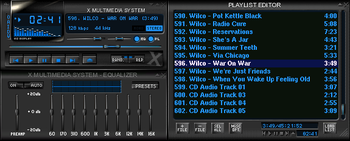
XMMS is a multimedia player for unix systems. XMMS stands for X MultiMedia System and can play media files such as MP3, MOD’s, WAV and others with the use of Input plugins.
XMMS is mainly targeted at music playback, but through third party plugins some rudimentary video capabilities exists, but there are much better systems other than XMMS for video support.
It was modeled after Winamp from the Windows operating system. XMMS is not a port of Winamp but was written from scratch by Mikael and Peter Alm.
IMMS is an intelligent playlist plug-in for XMMS that tracks your listening patterns and dynamically adapts to your taste. It is incredibly unobtrusive and easy to use as it requires no direct user interaction.
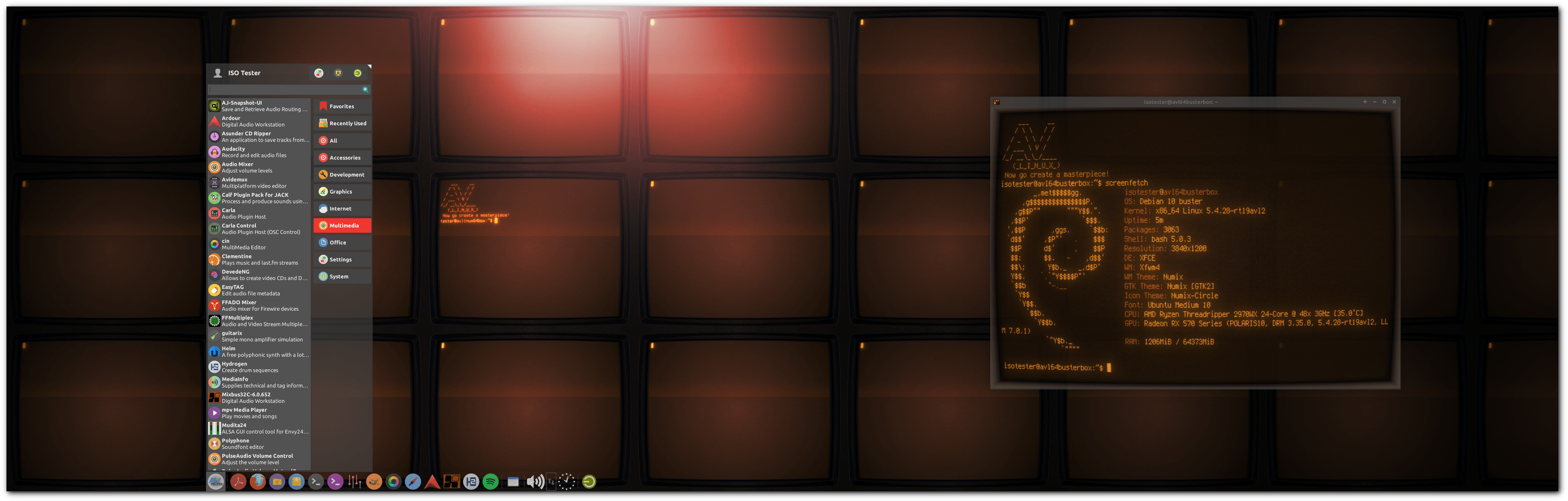
AV Linux is a free shared downloadable and installable snapshot ISO image based on Debian/GNU Linux pre-configured to be a turnkey AV content creation system pre-configured and ready to “Install and Create”.
Features:
Originates from 32bit and 64bit snapshots of the Debian Stable Distribution.