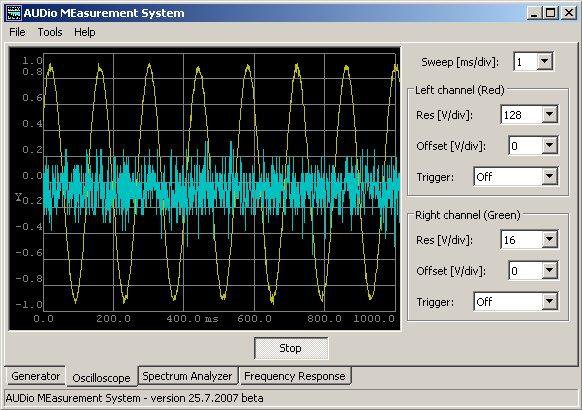
AUDio MEasurement System – multi-platfrom system for audio measurement through a PC sound card. Incorporates generator, oscilloscope, audio spectrum analyzer (FFT) and frequency sweep characteristic. Can be compiled and works under Linux, Windows and MacOS.
RuneAudio is a free and open source software that turns embedded hardware into Hi-Fi music players. We want to make a cheap, low-consumption and silent mini-PC perform as an high fidelity digital source. RuneAudio features a custom-built Linux distribution (RuneOS) and a web player (RuneUI) which allows to remote control playback and setup options, from multiple devices (desktop PC, netbook, tablet, smartphone).
Features:
Easy to install and use
A custom built, optimized and small footprint Linux-based OS (RuneOS)
Runs on a variety of embedded platforms
Works with almost every model of USB DAC in commerce
Bitperfect and gapless playback of common audio formats (FLAC, WAVE, MP3, AAC, ALAC, etc.)
Supports native DSD playback with DSD-over-PCM
Playback from network drives (over CIFS and NFS protocols) and USB drives (FAT32 and NTFS)
Playback of web radio streams
Built-in web interface (RuneUI) for playback and setup control
Can be controlled from a lot of third party clients (desktop and mobile)
Polymeter is a MIDI sequencer for music that’s in multiple prime meters (1, 2, 3, 5, 7, 11, etc.) simultaneously. Each track has its own loop length, and when the lengths differ, the tracks “slip” (or shift phase) relative to each other. The resulting interference pattern is sufficiently intricate that variations similar to the embellishments of a live performer can be generated algorithmically.
Features:
Multitrack step sequencer for polymeter
Each track has its own loop length
Any number of tracks, of any length
Full clipboard support (copy/cut/paste)
Unlimited undo and redo for all edits
Multiple tracks can be edited at once
Optionally shows current position within each track
Drag reordering of tracks
Exports a MIDI file
Join adjacent steps to make tied notes
Velocity editing
Controller tracks
Recording of live arrangement
Editing of arrangement on timeline
Inter-track modulation of mute, note, velocity, duration, position, and more
Live performance view with full screen mode
Recursive modulation (modulation of modulation) for mute and position
Bongo is a flexible and usable media player for GNU Emacs. If you store your music collection locally and use structured file names, then Bongo is a great way for you to play music from within Emacs.
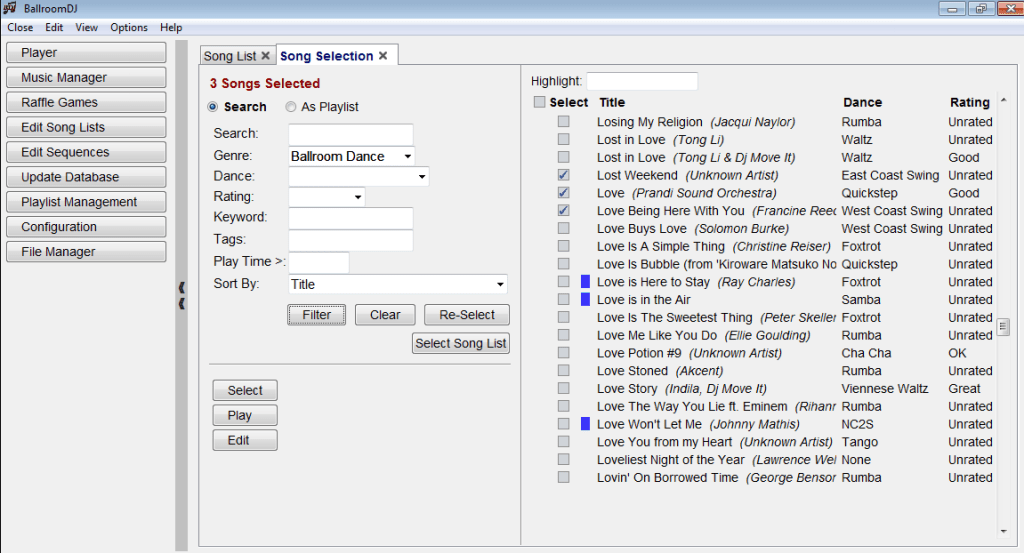
BallroomDJ is a ballroom music player. It is designed to be able to play music the entire evening without intervention. Use for your personal training, dance studio, and ballroom, dancesport, Argentine tango, country western, or west coast swing events.
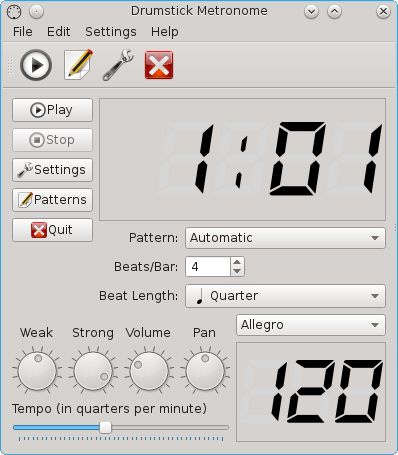
Drumstick Metronome is a MIDI based metronome using the ALSA sequencer. It’s intended for musicians and music students, as a tool to keep the rhythm while playing musical instruments. It uses MIDI for sound generation instead of digital audio, allowing low CPU usage and very accurate timing, thanks to the ALSA sequencer.
Features:
Easy to use graphic user interface.
MIDI only. Can be used with software or external MIDI synthesizers.
Based on ALSA sequencer. Provides input and output ports
Looking for a social platform to enjoy and share music? Funkwhale is a community-driven project that lets you listen and share music and audio within a decentralised, open network.
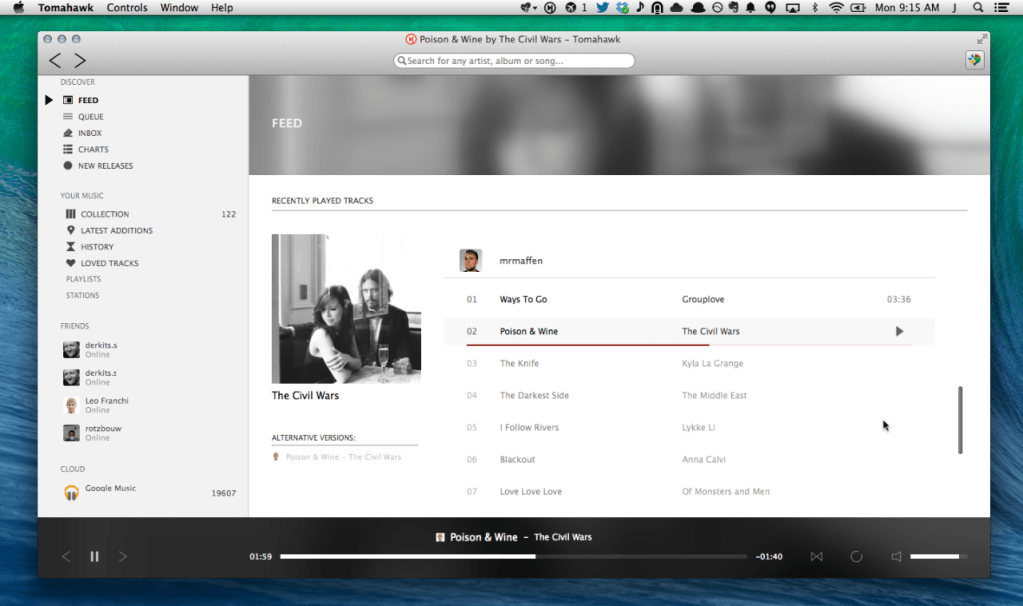
Tomahawk is a free multi-source and cross-platform music player. An application that can play not only your local files, but also stream from services like Spotify, Beats, SoundCloud, Google Music, YouTube and many others. You can even connect with your friends’ Tomahawks, share your musical gems or listen along with them. Let the music play!
Tomahawk is basically a player for music metadata. At its core it decouples the metadata about a song from the source and reassembles it for each user based on their individual music accessibility and rights. In short, given the name of a song and artist, Tomahawk will find the right source, for the right user at the right time. This fundamentally different approach to music enables a range of new music consumption and sharing experiences previously not possible.
Music Sources:
Local music library (MP3, Ogg, FLAC and many other formats)
Networked music libraries (other connected computers)
Third party-developed resolvers have also been written for services like YouTube, Qobuz and others. We’ve also heard of digital music distributors writing their own for their internal CMSes to help them navigate and preview their content. That’s cool.










 The Audio File