Matchering 2.0 is a novel Containerized Web Application and Python Library for audio matching and mastering. It follows a simple idea – you take TWO audio files and feed them into Matchering:
- TARGET (the track you want to master, you want it to sound like the reference)
- REFERENCE (another track, like some kind of “wet” popular song, you want your target to sound like it)
Our algorithm matches both of these tracks and provides you the mastered TARGET track with the same RMS, FR, peak amplitude and stereo width as the REFERENCE track has.
Tag Archives: python
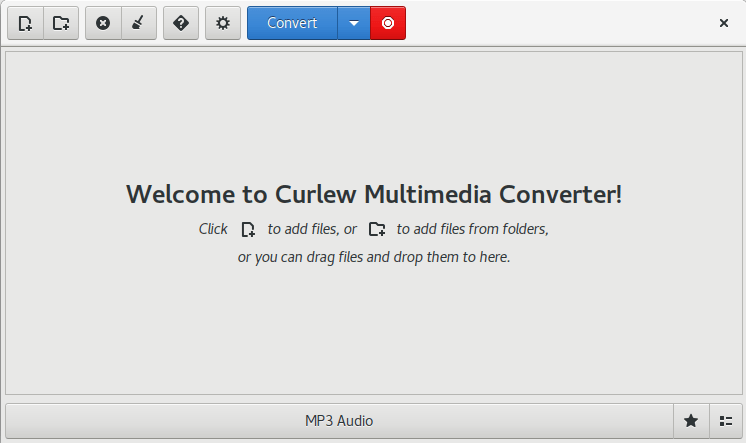
Curlew ~ Linux Multimedia Converter
Curlew is an easy to use, free and open-Source multimedia converter for Linux. It written in Python and GTK3 and it depends on FFmpeg or Libav.
Main features:
- Easy to use and clean user interface.
- Hide the advanced options with the ability to show them.
- Convert to more than 100 different formats.
- Allow to edit formats.
- Shutdown or suspend PC afer a conversion process.
- Show file informations (duration, remaining time, estimated size, progress value).
- Show file details using mediainfo.
- Allow to skip or remove file during conversion process.
- Preview file before conversion.

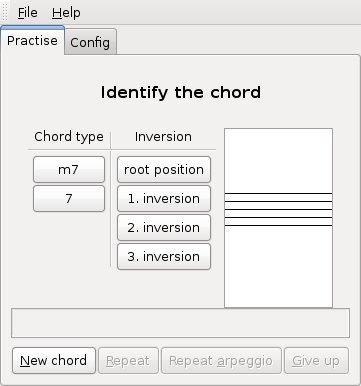
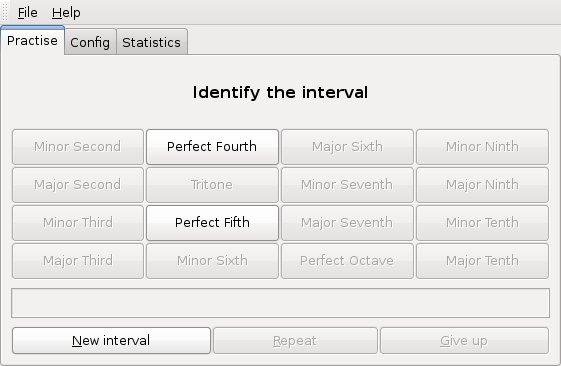
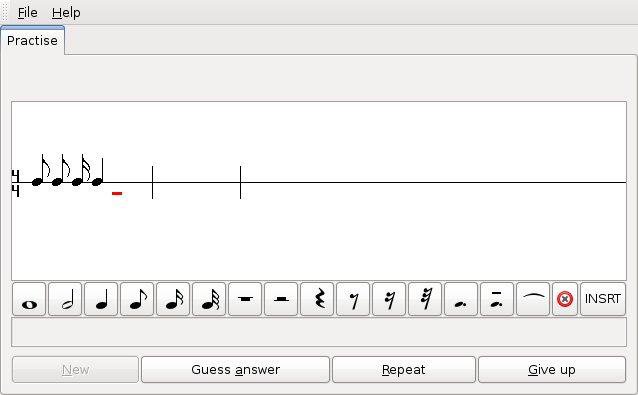
GNU Solfege ~ Train Your Ears
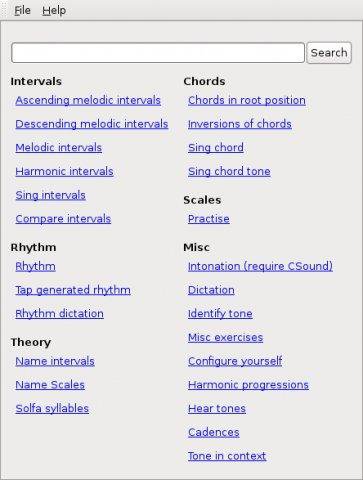
GNU Solfege is *free* ear training software written in Python 3.4 using the Gtk+ 3 toolkit. The program is designed to be easily extended with lesson files (data files), so the user can create new exercises.


www.gnu.org/software/solfege
sourceforge.net/projects/solfege
Mkchromecast ~ Linux & Mac Casting
This is a program to cast your macOS audio, or Linux audio to your Google Cast devices or Sonos speakers. It can also cast video files.
It is written for Python3, and it can stream via
node.js,parec(Linux),ffmpeg, oravconv. Mkchromecast is capable of using lossy and lossless audio formats provided thatffmpeg,avconv(Linux), orparec(Linux) are installed. It also supports Multi-room group playback, and 24-bit/96kHz high audio resolution. Additionally, a system tray menu is available.
Humdrum Toolkit ~ Music Analysis & Research
David Huron created Humdrum in the 1980s, and it has been used steadily for decades. Humdrum is a set of command-line tools that facilitates musical analysis, as well as a generalized syntax for representing sequential streams of data. Because it’s a set of command-line tools, it’s program-language agnostic. Many have employed Humdrum tools in larger scripts that use PERL, Ruby, Python, Bash, LISP, and C++.
Humdrum Labs ~ wiki.ccarh.org/wiki/Humdrum_Lab_1
Humdrum music encoding tutorial ~ doc.verovio.humdrum.org/humdrum/getting_started
Humdrum Resources ~ github.com/humdrum-tools
mopidy ~ Extensible Music Server
Written in Python, Mopidy plays music from a local disk, Spotify, SoundCloud, Google Play Music, and more. You edit the playlist from any phone, tablet, or computer using a range of MPD and web clients.