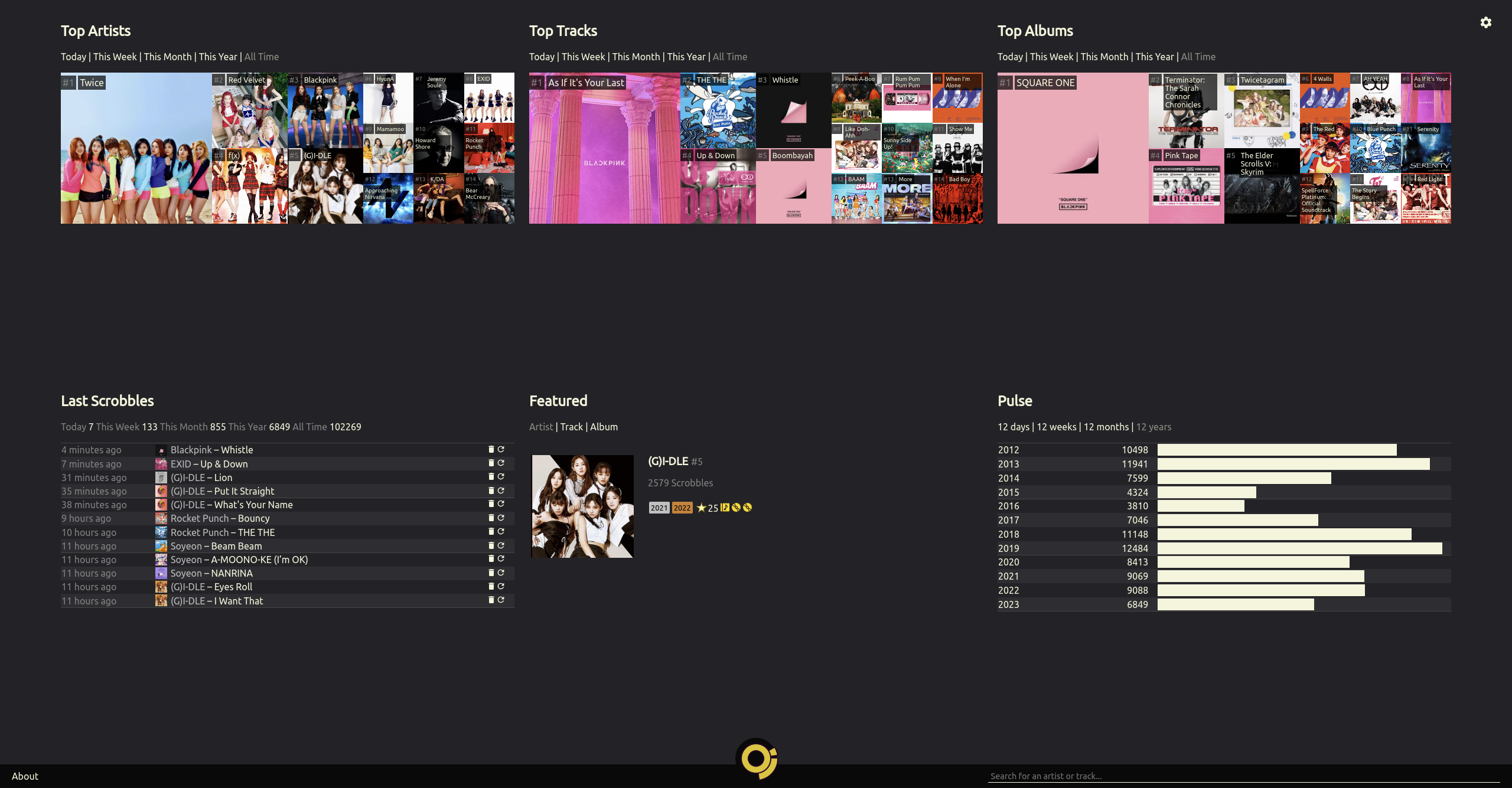
Navidrome is a piece of software that allows you to listen to your own digital music in the same way you would with services like Spotify, Apple Music and others. It also allows you to easily share your music and playlists with your friends and family
How it works?
After a simple installation, Navidrome indexes all digital music stored in your hard drive and makes it available through a nice web player and also by using any Subsonic-API compatible mobile client. Your music becomes searchable and you can create playlists, rate and “favourite” your loved tracks, albums and artists
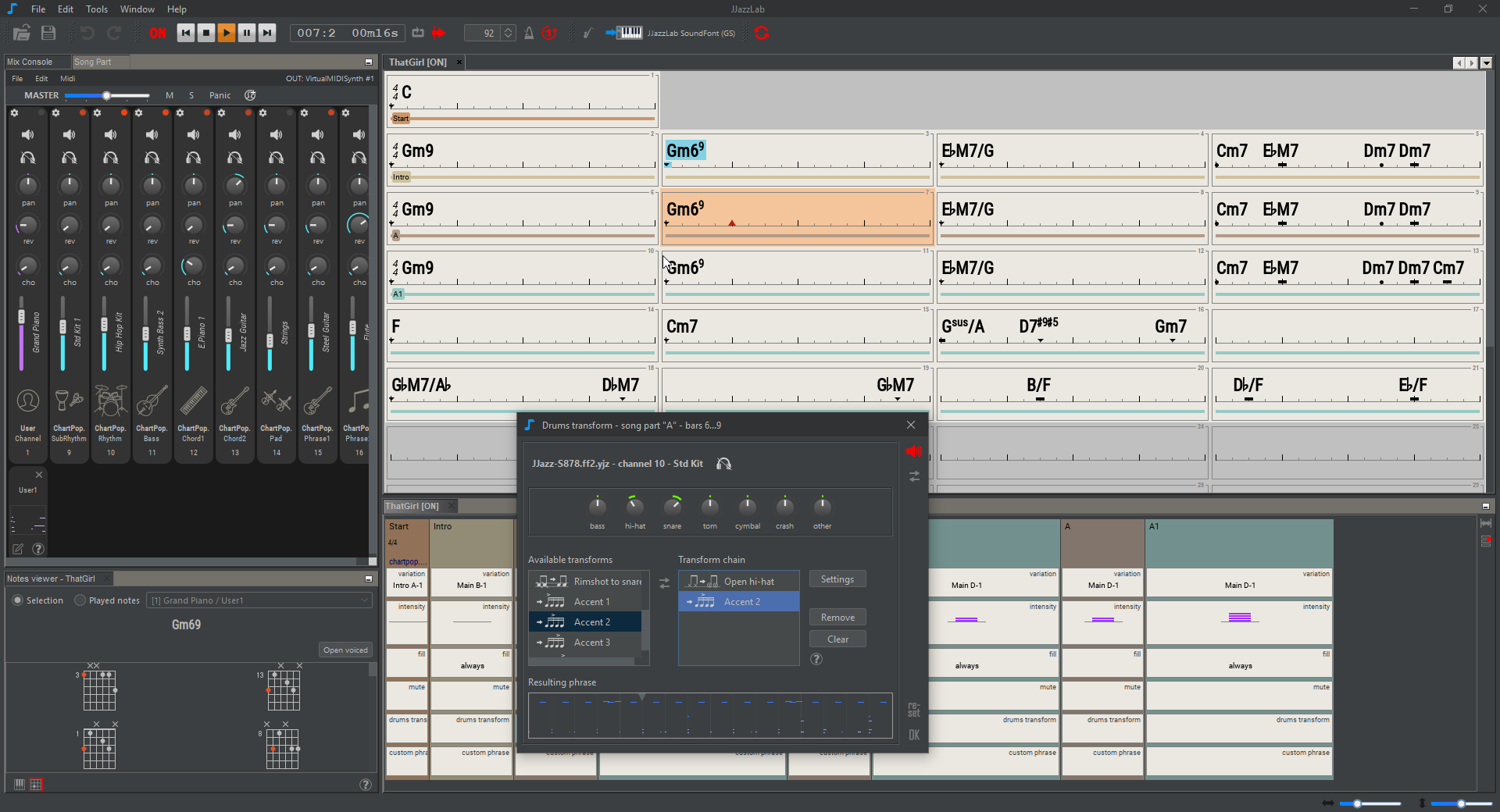
JJazzLab is a Midi-based application dedicated to backing tracks generation. You type in chord symbols, select a rhythm (style), then the application generates a complete backing track with drums, bass, guitar, piano, strings, etc.
The objective is to generate intelligent and interesting backing tracks, i.e tracks which are:
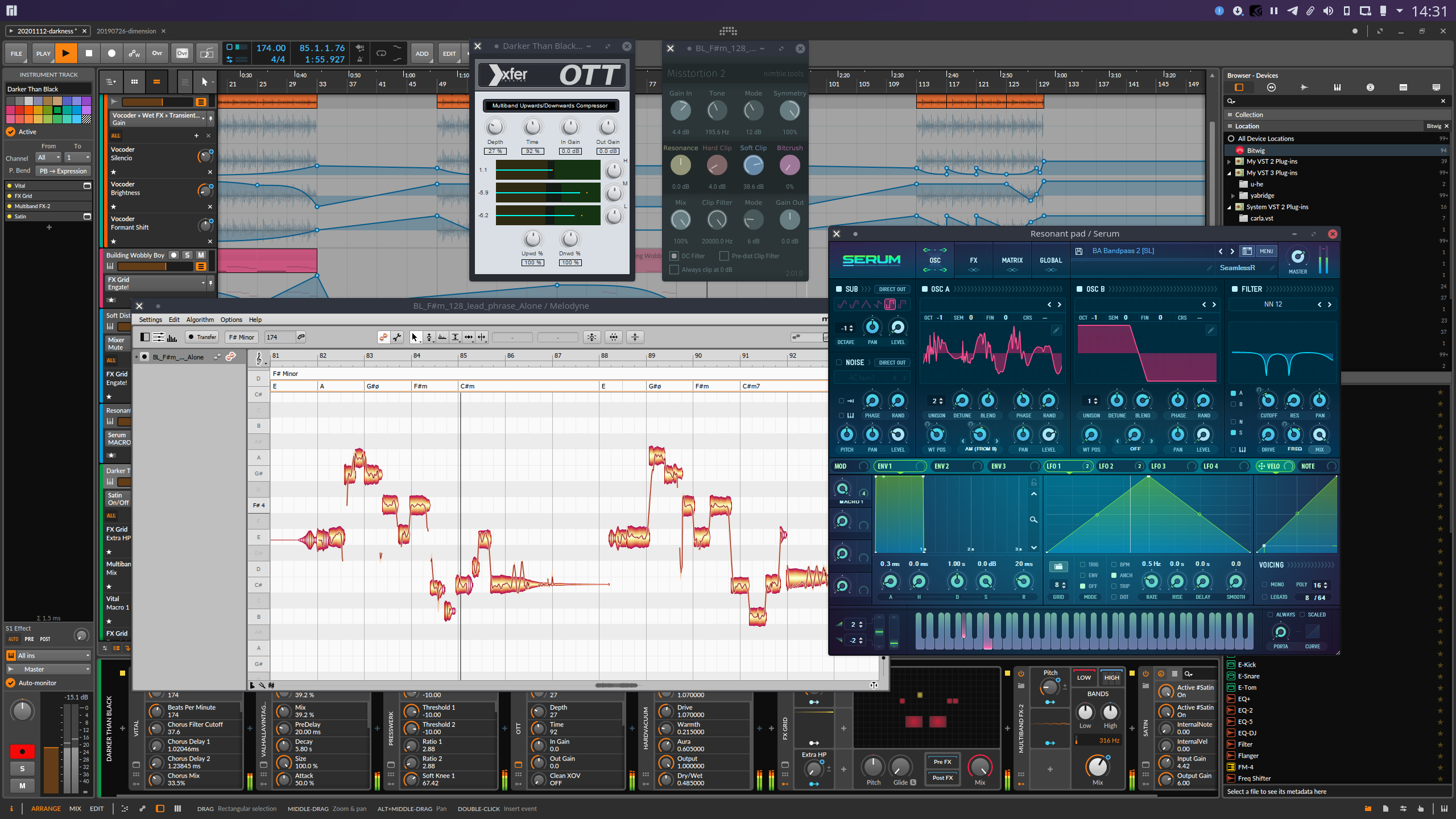
Yet Another way to use Windows audio plugins on Linux. Yabridge seamlessly supports using both 32-bit and 64-bit Windows VST2, VST3, and CLAP plugins in 64-bit Linux plugin hosts as if they were native plugins, with optional support for plugin groups to enable inter-plugin communication for VST2 plugins and quick startup times. Its modern concurrent architecture and focus on transparency allows yabridge to be both fast and highly compatible, while also staying easy to debug and maintain.
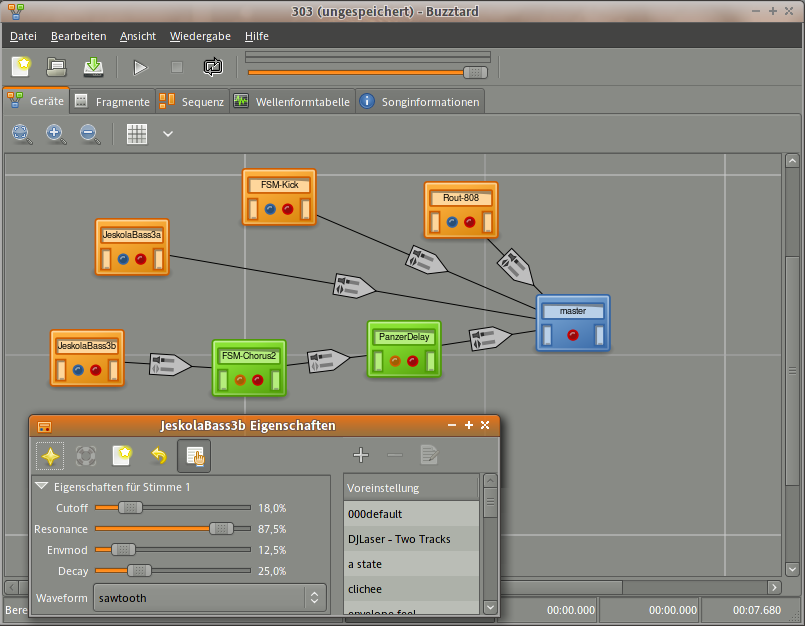
Buzztrax aims to be a music studio that allows one to compose songs using only a computer with a soundcard. If you’ve used tracker programs like FastTracker, Impulse Tracker, or the original AMIGA SoundTracker, that will give you an idea of how one can sequence music in Buzztrax.
The Buzztrax editor uses a similar concept, where a song consists of a sequence with tracks and in each track one uses patterns with events (musical notes and control changes). In contrast to other Tracker programs, tracks are not simply sample players: a user can make a song using an arrangement of virtual audio plugins that are linked together to create different effects. Each of these machines can be controlled real-time or via patterns in the sequencer.
Full support on macOS, Windows, Linux, Google Colab, and Ubuntu Dockerfile
DawDreamer’s foundation is JUCE, with a user-friendly Python interface thanks to pybind11. DawDreamer evolved from an earlier VSTi audio “renderer”, RenderMan.
MusicIP is much more than a conventional Playlist Generator. MusicIP is a clever piece of software written in the 2000s that analyses and fingerprints your local music library to try to understand the makeup of each music track. So instead of endlessly scrolling through your library, trying to find something to listen to, you can simply select a track (the seed track) then based on MusicIPs understanding of your library, generate a playlist of tracks that blend together. This is far more than a genre based mix, as it will select tracks that are similar in composition.
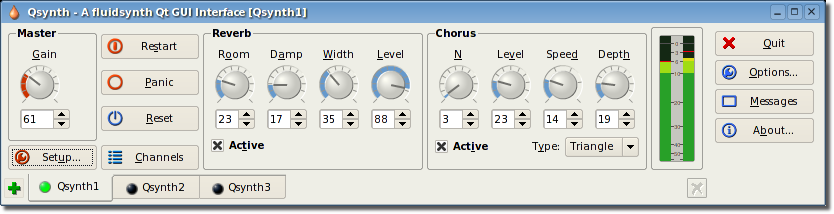
Qsynth is a fluidsynth GUI front-end application written in C++ around the Qt framework using Qt Designer. Eventually it may evolve into a softsynth management application allowing the user to control and manage a variety of command line softsynth but for the moment it wraps the excellent FluidSynth. FluidSynth is a command line software synthesiser based on the Soundfont specification.
redumper is an advanced byte perfect disc dumper. It supports incremental dumps, advanced SCSI/C2 repair, intelligent audio CD offset detection and a lot of other features. Everything is written from scratch in C++.










 The Audio File